Tag: Brunch Recipes

  • Apple and Cottage Cheese Pancakes Recipe

    Apple and Cottage Cheese Pancakes Recipe

    Apple and Cottage Cheese Pancakes: A Delightful Fusion of Sweet and Savory

    Wake up to the tantalizing aroma of freshly made apple and cottage cheese pancakes, a unique culinary creation that seamlessly blends sweet and savory flavors. Originating from the cozy countryside kitchens, this recipe has been passed down through generations, offering a comforting and delectable start to any day.

    Origin and History of Apple and Cottage Cheese Pancakes

    This delectable breakfast treat traces its roots back to humble beginnings in the farming communities of Europe. Cottage cheese, a nutritious byproduct of cheesemaking, was often incorporated into various dishes, including pancakes. The addition of apples, a symbol of abundance and nourishment, enriched the flavor profile and nutritional value of these pancakes, making them a staple in many households.

    Personal Touch: My Culinary Journey

    As a lifelong enthusiast of breakfast delicacies, I stumbled upon this apple and cottage cheese pancake recipe during a charming stay in the heart of Bavaria. Intrigued by its unconventional combination, I couldn’t resist giving it a try. The result was a culinary awakening, an explosion of sweet and savory flavors that left an unforgettable impression.

    What to Expect from This Recipe Article

    In this comprehensive guide, we will delve into the secrets of crafting perfect apple and cottage cheese pancakes. We’ll cover every aspect, from carefully selected ingredients to step-by-step instructions, helpful tips and tricks, and even a peek into the nutritional benefits of this tantalizing dish.

    Ingredients List

    • 1 1/2 cups all-purpose flour
    • 1/3 cup granulated sugar
    • 2 teaspoons baking powder
    • 1 teaspoon baking soda
    • 1/2 teaspoon salt
    • 1 large egg
    • 1 cup buttermilk
    • 1/2 cup cottage cheese
    • 1/2 cup chopped apple
    • 1 tablespoon unsalted butter, melted (for greasing the pan)

    Preparation Steps

    1. Combine the dry ingredients: In a large bowl, whisk together the flour, sugar, baking powder, baking soda, and salt.
    2. In a separate bowl, whisk together the wet ingredients: Combine the egg, buttermilk, cottage cheese, and apples.
    3. Make a well in the dry ingredients: Create a small well in the center of the dry ingredients and pour the wet ingredients into the well.
    4. Gently mix: Use a fork or whisk to gently combine the wet and dry ingredients until just incorporated. Do not overmix.
    5. Add the melted butter: Gradually add the melted butter to the pancake batter and stir until well combined.
    6. Cook the pancakes: Preheat a lightly greased griddle or skillet over medium heat (about 350°F). Pour 1/4 cup of batter onto the hot griddle for each pancake.
    7. Flip and cook: Cook the pancakes for 2-3 minutes on each side, or until golden brown and cooked through.

    Cooking Time & Servings

    Total cooking time: 20-25 minutes
    Makes: 12-14 pancakes

    Nutritional Information

    Per serving (1 pancake):

    • Calories: 240
    • Protein: 12g
    • Carbohydrates: 35g
    • Sugar: 10g
    • Fat: 12g

    Health Conditions and People to Avoid This Recipe

    Individuals with certain dietary restrictions and medical conditions should exercise caution or avoid consuming apple and cottage cheese pancakes:

    • Lactose intolerance: Cottage cheese contains lactose, a milk sugar that can cause discomfort or digestive problems in people who are lactose intolerant.
    • Dairy allergy: Apple and cottage cheese pancakes contain dairy products that can trigger allergic reactions in individuals with a dairy allergy.
    • Gluten sensitivity: All-purpose flour is a common wheat-based ingredient that contains gluten, a protein that can cause inflammation in individuals with gluten sensitivity or celiac disease.
    • Diabetes: The high sugar content of apple and cottage cheese pancakes may not be suitable for individuals with diabetes. It is recommended to consume in moderation and monitor blood sugar levels.

    Nutrition and Benefits of Apple and Cottage Cheese Pancakes

    Protein: Cottage cheese is an excellent source of protein, which plays a crucial role in building and maintaining muscle mass, repairing tissues, and producing enzymes and hormones.
    Fiber: Apples and cottage cheese are good sources of fiber, which helps regulate digestion, promotes satiety, and supports gut health.
    Calcium: Cottage cheese is a calcium-rich food that is essential for strong bones, teeth, and nails.
    Carbohydrates: Pancakes provide carbohydrates, which are the body’s main source of energy.
    Potassium: Apples are a good source of potassium, which helps maintain electrolyte balance and regulate blood pressure.

    Disadvantages

    High fat content: Apple and cottage cheese pancakes contain a

  • Nalesniki with Cheese and Pineapple Recipes

    Nalesniki with Cheese and Pineapple Recipes

    Nalesniki with Cheese and Pineapple: A Delightful Fusion of Flavors

    Indulge in this exquisite culinary creation where the subtle sweetness of pineapple harmonizes seamlessly with the creamy richness of cheese, all enveloped in a delicate nalesniki pancake. Embark on a culinary journey that will transport your taste buds to a realm of pure delight.

    Origin and History of Nalesniki

    Nalesniki, the traditional Polish pancakes, have been savored for centuries throughout Eastern Europe. These thin, crepe-like pancakes serve as a versatile canvas for a wide range of fillings, both sweet and savory.

    A Personal Touch: My Grandmother’s Legacy

    These Nalesniki with Cheese and Pineapple hold a special place in my heart, as they were lovingly passed down from my grandmother. Her unwavering dedication to using fresh, locally sourced ingredients has left an enduring impression on my culinary pursuits.

    What to Expect in This Recipe

    Step into the kitchen with us and discover the secrets of crafting this delectable masterpiece. We’ll explore the perfect blend of flavors, the essential ingredients, and the meticulous techniques that elevate this dish to culinary greatness.

    Ingredients List

    • 1 cup all-purpose flour
    • 2 large eggs
    • 1 1/4 cups milk
    • 1/4 teaspoon salt
    • 1/4 cup butter (for greasing the pan)

    For the Filling:

    • 1 cup shredded cheddar cheese
    • 1 cup chopped fresh pineapple
    • 1 tablespoon sugar
    • 1/4 teaspoon ground cinnamon

    Preparation Steps

    1. Make the Nalesniki Batter: In a large bowl, whisk together the flour, eggs, milk, and salt until smooth.
    2. Grease the Pan: Heat a lightly greased 10-inch skillet over medium heat.
    3. Cook the Nalesniki: Pour about 1/4 cup of batter into the skillet and tilt it to distribute evenly. Cook for 1-2 minutes per side, or until golden brown.
    4. Prepare the Filling: In a small bowl, combine the cheese, pineapple, sugar, and cinnamon.
    5. Assemble the Nalesniki: Spread a spoonful of the filling onto one half of the nalesniki. Fold the other half over and press down lightly.

    Cooking Time & Servings

    • Cooking Time: Approximately 20 minutes
    • Servings: 10-12 nalesniki

    Nutritional Information

    Per Serving (1 nalesniki):

    • Calories: 250
    • Fat: 12g
    • Protein: 12g
    • Carbohydrates: 30g

    Health Conditions and People to Avoid This Recipe

    Individuals with lactose intolerance should avoid the cheese filling or opt for a lactose-free cheese substitute. People with diabetes should consume this dish in moderation due to the sugar content in the filling.

    Nutrition and Benefits to the Body

    • Protein: Essential for muscle growth and repair.
    • Calcium: Contributes to strong bones and teeth.
    • Vitamin C (Pineapple): Supports immune system function.
    • Manganese (Pineapple): Antioxidants to protect cells from damage.

    Disadvantages

    • High in Fat: Excessive consumption can lead to weight gain.
    • High in Sugar (Pineapple): May increase blood sugar levels, especially for people with diabetes.
    • Eating moderately is perfectly fine, but acquiring excess of this nutrients is harmful.

    Tips and Tricks

    • For a sweeter nalesniki, add an additional tablespoon of sugar to the filling.
    • To make the filling creamier, add a spoonful of sour cream or plain yogurt.
    • You can substitute fresh pineapple with canned pineapple chunks.
    • Nalesniki can also be filled with various fruits, such as strawberries, blueberries, or apples.

    Equipment Needed

    • Large bowl
    • Whisk
    • 10-inch skillet
    • Spatula
    • Measuring cups and spoons

    Variations or Substitutions

    • Gluten-Free Nalesniki: Use gluten-free flour instead of all-purpose flour.
    • Vegan Nalesniki: Omit the eggs and use almond milk instead of cow’s milk.
    • Savory Nalesniki: Replace the cheese and pineapple with shredded chicken or vegetables.

    Serving Suggestions

    • Sprinkle with powdered sugar for a sweet touch.
    • Serve with fresh fruit on the side.
    • Drizzle with maple syrup or honey for extra richness.

    Storage and Reheating Instructions

    • Nalesniki can be stored in an airtight container in the refrigerator for up to 3 days or frozen for longer.
    • To reheat, warm in a microwave or skillet over low heat.

    Conclusion

    Nalesniki with Cheese and Pineapple is a culinary gem that marries the best of both worlds. Its simple ingredients blend harmoniously to create a dish that is not only delicious but also versatile. We encourage you to give this recipe a try and share your culinary creations on social media. We would love to hear your feedback and answer any questions you may have.

    Frequently Asked Questions

    Q: Can I use grated cheese instead of shredded cheese?

    A: Yes, you can use either grated or shredded cheese in this recipe. However, shredded cheese typically melts more evenly and provides a smoother texture.

    Q: What else can I add to the filling?

    A: You can enhance the filling by adding chopped nuts, such as walnuts or pecans, or even some dried fruit, such as cranberries or raisins.

    Q: How can I make the Nalesniki more decadent?

    A: To make the Nalesniki more indulgent, top them off with whipped cream or a scoop of vanilla ice cream.

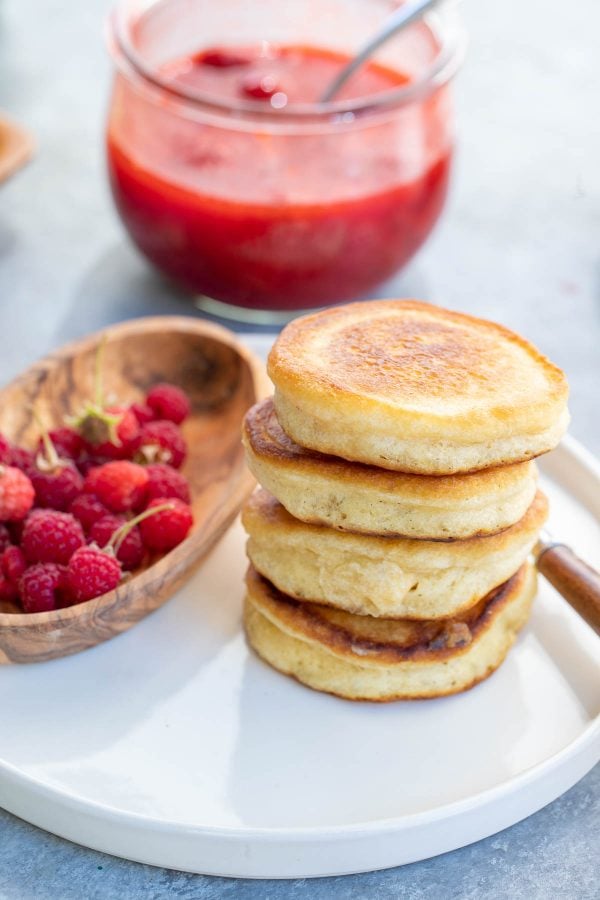
  • Oladi with Apples Recipe

    Oladi with Apples Recipe

    Oladi with Apples: A Delightful Russian Treat

    Embark on a culinary journey with our mouthwatering Oladi with Apples recipe! These fluffy, golden pancakes, originating from Russia, burst with the sweet tanginess of apples, offering a delightful treat at any time of day.

    Origin and History of Oladi

    Oladi, pronounced as “uh-LAH-dee,” are traditional Russian pancakes that have been enjoyed for centuries. Their origins can be traced back to ancient Slavic cultures, where they were often made with buckwheat flour. Over time, wheat flour became more widely used, resulting in the fluffy, light pancakes we know today.

    Personal Touch

    As a Russian native, I’ve grown up savoring the comforting flavors of Oladi. Whether topped with sour cream, jam, or fresh fruit, these pancakes have a special place in my heart. The aroma of apples sizzling in the pan fills my kitchen with a nostalgic warmth that transports me back home.

    What to Expect in This Post

    In this blog post, we’ll explore the historical origins, nutritional benefits, and irresistible flavors of Oladi with Apples. We’ll provide you with a detailed recipe, tips and tricks, and a comprehensive FAQ section to ensure your pancake-making adventure is a success.

    Ingredients List:

    • 1 1/2 cups all-purpose flour
    • 1/2 teaspoon baking powder
    • 1/4 teaspoon baking soda
    • 1/2 teaspoon salt
    • 1 cup buttermilk
    • 1 cup milk
    • 2 eggs
    • 2 apples, peeled and diced
    • 2 tablespoons melted butter
    • Optional toppings: sour cream, jam, fruit

    Preparation Steps:

    1. Whisk dry ingredients: In a large bowl, whisk together the flour, baking powder, baking soda, and salt.
    2. Combine wet ingredients: In a separate bowl, whisk together the buttermilk, milk, eggs, and apples.
    3. Add wet to dry: Gradually add the wet ingredients to the dry ingredients while whisking until just combined. Do not overmix.
    4. Rest the batter: Let the batter rest for 15 minutes, which allows the gluten to relax, resulting in fluffier pancakes.
    5. Heat the pan: Heat a large skillet or griddle over medium heat. Brush with melted butter.
    6. Pour the batter: Drop 1/4 cup of batter onto the hot pan for each pancake.
    7. Cook the pancakes: Cook for 2-3 minutes per side, or until golden brown and cooked through.
    8. Serve warm: Serve immediately with your favorite toppings.

    Cooking Time & Servings:

    Total Cooking Time: 25 minutes
    Servings: 12-15 pancakes

    Nutritional Information:

    Per serving (1 pancake):

    • Calories: 150
    • Fat: 5g
    • Protein: 7g
    • Carbohydrates: 20g
    • Sugar: 3g
    • Fiber: 1g

    Health Conditions & People to Avoid This

    Oladi with Apples is generally safe for most people to consume. However, individuals with the following health conditions should exercise caution or avoid eating them:

    • Celiac disease or gluten intolerance: Oladi contain wheat flour, which is a source of gluten.
    • Lactose intolerance: Buttermilk and milk are ingredients in Oladi. If you are lactose intolerant, use alternative ingredients such as almond milk or lactose-free milk.

    Nutrition and Benefits to the Body

    Apples, the key ingredient in this recipe, offer a range of essential nutrients, including:

    • Fiber: Apples are a good source of both soluble and insoluble fiber, which promotes digestive health, regulates blood sugar levels, and helps to lower cholesterol.
    • Vitamin C: Apples are a rich source of vitamin C, an antioxidant that protects the body against damage caused by free radicals.
    • Potassium: Apples provide potassium, which is essential for heart health as it lowers blood pressure.

    Disadvantages

    While apples are a healthy fruit, excessive consumption can still have some disadvantages:

    • Increased calorie intake: Apples are relatively high in calories, so consuming too many can contribute to weight gain.
    • Dental erosion: Apples are acidic, so frequent eating can contribute to dental erosion. Always rinse your mouth or brush your teeth after eating apples.
    • Allergic reactions: Some people have allergic reactions to apples, including skin irritation or respiratory problems.
    • High fructose content: Apples contain fructose, which can be harmful in excess. Eating moderately is perfectly fine, but acquiring excess of this nutrients is harmful.

    Tips and Tricks:

    • For extra fluffy pancakes, separate the eggs and beat the whites until stiff peaks form before adding them to the batter.
    • If you don’t have buttermilk, you can make your own by adding 1 tablespoon of lemon juice or vinegar to 1 cup of milk. Let it sit for 5 minutes before using.
    • Add a teaspoon of vanilla extract to the batter for a touch of sweetness and depth of flavor.
    • Use a variety of apple varieties, such as Granny Smith, Honeycrisp, or Pink Lady, to create different flavors and textures.
    • For a vegan version, replace the milk and buttermilk with plant-based alternatives and use flax eggs instead of chicken eggs.

    Equipment Needed:

    • Mixing bowls
    • Whisk
    • Large skillet or griddle
    • Spatula
    • Measuring cups and spoons

    Variations or Substitutions:

    • For a gluten-free version, use gluten-free flour.
    • Add cinnamon or nutmeg to the batter for extra spice.
    • Instead of apples, use other fruits such as blueberries, strawberries, or bananas in your pancakes.
    • Top your pancakes with whipped cream, chocolate chips, or fresh fruit for an indulgent treat.

    Serving Suggestions:

    • Serve Oladi with Apples with a dollop of sour cream and fruit compote for a classic Russian breakfast.
    • Stack them high on a plate and drizzle them with maple syrup for a satisfying dessert.
    • Create a fruit salad by topping Oladi with fresh berries, bananas, and mangoes.

    Storage and Reheating Instructions:

    • Leftover Oladi with Apples can be stored in an airtight container in the refrigerator for up to 3 days.
    • To reheat, warm them in the oven at 350°F (175°C) for 10-15 minutes, or in the microwave for 30-60 seconds per pancake.

    Conclusion:

    Indulge in the comforting flavors of Oladi with Apples by trying out our easy-to-follow recipe. With its fluffy texture, sweet apple filling, and endless possibilities for toppings, this dish will become a staple in your kitchen. Share your Oladi creations on social media using #OladiWithApples and let us know your thoughts!

    Frequently Asked Questions (FAQs):

    • What is the difference between Oladi and blinis?

    Oladi are smaller and thicker than blinis, and they are typically made with a batter that contains baking powder or baking soda, which makes them fluffier. Blinis, on the other hand, are thinner and have a more crepe-like texture.

    • Can I use other fruits in this recipe?

    Yes, you can use a variety of other fruits in this recipe, such as blueberries, strawberries, raspberries, or bananas. Simply dice the fruit and add it to the batter.

    • How do I know when my Oladi are cooked?

    Your Oladi are cooked when they are golden brown on both sides and cooked through in the center. To check, insert a toothpick into the center of an Oladi. If it comes out clean, the Oladi is cooked.

    • What should I serve with Oladi?

    Oladi can be served with a variety of toppings, such as sour cream, fruit compote, maple syrup, or whipped cream. You can also serve them with savory toppings, such as smoked salmon or caviar.

    • Can I make Oladi in advance?

    Yes, you can make Oladi in advance. Simply prepare the batter and let it rest for 15 minutes. Then, store the batter in the refrigerator for up to 24 hours. When you’re ready to cook the Oladi, simply remove the batter from the refrigerator and let it come to room temperature for 15 minutes.

  • Turkey Crepes (Savory Nalesniki) Recipe

    Turkey Crepes (Savory Nalesniki) Recipe

    Savor the Delights of Turkey Crepes (Savory Nalesniki): A Culinary Journey from Eastern Europe

    Embark on a culinary adventure with our exquisite Turkey Crepes (Savory Nalesniki) Recipe. Hailing from the heart of Eastern Europe, these crepes are a tantalizing blend of decadent turkey, savory seasonings, and tender dough. Their origins in the rustic kitchens of Poland, Ukraine, and beyond make them a cherished dish, passed down through generations.

    My Personal Connection

    As a culinary enthusiast with a deep love for Eastern European cuisine, the flavors of Turkey Crepes have always held a special place in my heart. From the first bite, the tender crepe wrapped around the savory turkey filling captured my attention. The symphony of spices transports me to bustling markets and cozy cafes where locals gather to relish this cherished dish. I am thrilled to share this recipe with you, combining my passion for cooking with the joy of savoring traditional flavors.

    What to Expect in This Post

    Prepare your taste buds for a culinary extravaganza as we delve into the depths of this recipe. We will uncover the rich history, ingredients, preparation methods, nutritional value, and serving suggestions. Let’s embark on a journey to create a dish that will tantalize your senses and leave a lasting impression.

    Ingredients List

    • 1 cup all-purpose flour
    • 1/2 cup milk
    • 2 large eggs
    • 1 tablespoon butter, melted
    • 1 teaspoon salt
    • 1/2 teaspoon black pepper
    • 1/2 pound cooked turkey, shredded or ground
    • 1 onion, chopped
    • 1 red bell pepper, chopped
    • 1/2 cup chopped fresh parsley
    • 1 cup shredded cheese (Cheddar, Monterey Jack, or a blend)
    • Salt and pepper to taste

    Preparation Steps

    1. Prepare the crepe batter: In a large bowl, whisk together the flour, milk, eggs, melted butter, salt, and pepper until smooth. Let the batter rest for at least 30 minutes.
    2. Sauté the vegetables: Heat a non-stick skillet over medium heat. Add the chopped onion and sauté until translucent. Add the red bell pepper and cook for another 3-4 minutes.
    3. Combine the filling: In a large bowl, combine the shredded turkey, sautéed vegetables, chopped parsley, and shredded cheese. Season with additional salt and pepper to taste.
    4. Make the crepes: Heat a non-stick skillet over medium heat. Lightly grease the pan with butter. Pour a thin layer of batter into the skillet and tilt to spread it evenly. Cook for 1-2 minutes per side, or until golden brown.
    5. Assemble the crepes: Place a generous portion of the turkey filling in the center of each crepe. Fold up the sides of the crepe to create a square or triangular shape.
    6. Heat through: Warm the filled crepes in a preheated oven at 350°F (175°C) for 5-7 minutes or until heated through.

    Cooking Time & Servings

    This Turkey Crepes (Savory Nalesniki) Recipe yields approximately 12-14 crepes. The total cooking time is around 30 minutes.

    Nutritional Information

    Per serving, this recipe provides approximately:

    • Calories: 250
    • Protein: 20 grams
    • Carbohydrates: 25 grams
    • Fat: 10 grams
    • Fiber: 2 grams

    Health Conditions and People to Avoid This

    Individuals with certain health conditions, such as:

    • Celiac disease or gluten intolerance: The flour in the recipe contains gluten, a protein that can cause adverse reactions in individuals with celiac disease or gluten intolerance.
    • Lactose intolerance: The milk in the recipe contains lactose, a sugar that some people may be intolerant to.
    • Egg allergy: The recipe uses eggs as a key ingredient, which can trigger an allergic reaction in individuals with an egg allergy.

    Nutrition and Benefits to the Body

    Protein: Turkey is an excellent source of protein, essential for building and repairing tissues, muscles, and cells in the body.

    Fiber: The fiber content in vegetables, such as onions and bell peppers, aids digestion and promotes a feeling of fullness.

    Calcium: Cheese provides a significant source of calcium, vital for strong bones and teeth.

    Tips and Tricks

    • For crispy crepes, cook them on a well-seasoned or non-stick skillet.
    • To prevent tearing, let the batter rest for at least 30 minutes before using.
    • For a vegetarian variation, substitute the turkey with sautéed mushrooms, tofu, or tempeh.
    • Spice up the filling by adding a dash of cayenne pepper or chili flakes.

    Equipment Needed

    • Non-stick skillet
    • Mixing bowls
    • Whisk
    • Spatula
    • Oven

    Variations or Substitutions

    • Flour: Use gluten-free flour to accommodate gluten-free diets.
    • Milk: Substitute plant-based milk, such as almond milk or oat milk, for a vegan option.
    • Cheese: Experiment with different cheese varieties, such as feta, mozzarella, or goat cheese.
    • Vegetables: Add other vegetables, such as spinach, zucchini, or mushrooms, to the filling for added nutrition.

    Serving Suggestions

    • Serve the Turkey Crepes (Savory Nalesniki) with a dollop of sour cream, salsa, or a side of fresh fruit.
    • Garnish with fresh chopped herbs, such as parsley, dill, or chives.
    • For a complete meal, accompany with a side of roasted potatoes or a fresh salad.

    Storage and Reheating Instructions

    • Store leftovers in an airtight container in the refrigerator for up to 3 days.
    • To reheat, warm the crepes in the oven or in a non-stick skillet until heated through.

    Conclusion

    If you crave a delectable and comforting meal, look no further than our Turkey Crepes (Savory Nalesniki). With their tender texture, savory flavors, and nutritional value, these crepes are bound to become a household favorite. Experiment with our tips and suggestions to customize them to your liking.

    We would love to hear from you if you try this recipe. Share your creations on social media and tag us. If you have any questions or requests for future recipe posts, please don’t hesitate to ask.

    Frequently Asked Questions (FAQs)

    Q: Can I prepare the crepes in advance?
    A: Yes, you can make the crepe batter and store it in the refrigerator for up to 24 hours. Cook the crepes just before serving.

    Q: What is a substitute for parsley?
    A: Fresh cilantro or dill can be used as an alternative to parsley.

    Q: Can I use pre-shredded cheese?
    A: You can use pre-shredded cheese, but freshly grated cheese melts better and provides a gooey texture.

    Q: Is this recipe suitable for meal preparation?
    A: Yes, these crepes are perfect for meal preparation. They can be stored in the refrigerator for 3 days or frozen for up to 2 months. Reheat them in the oven or microwave when ready to serve.

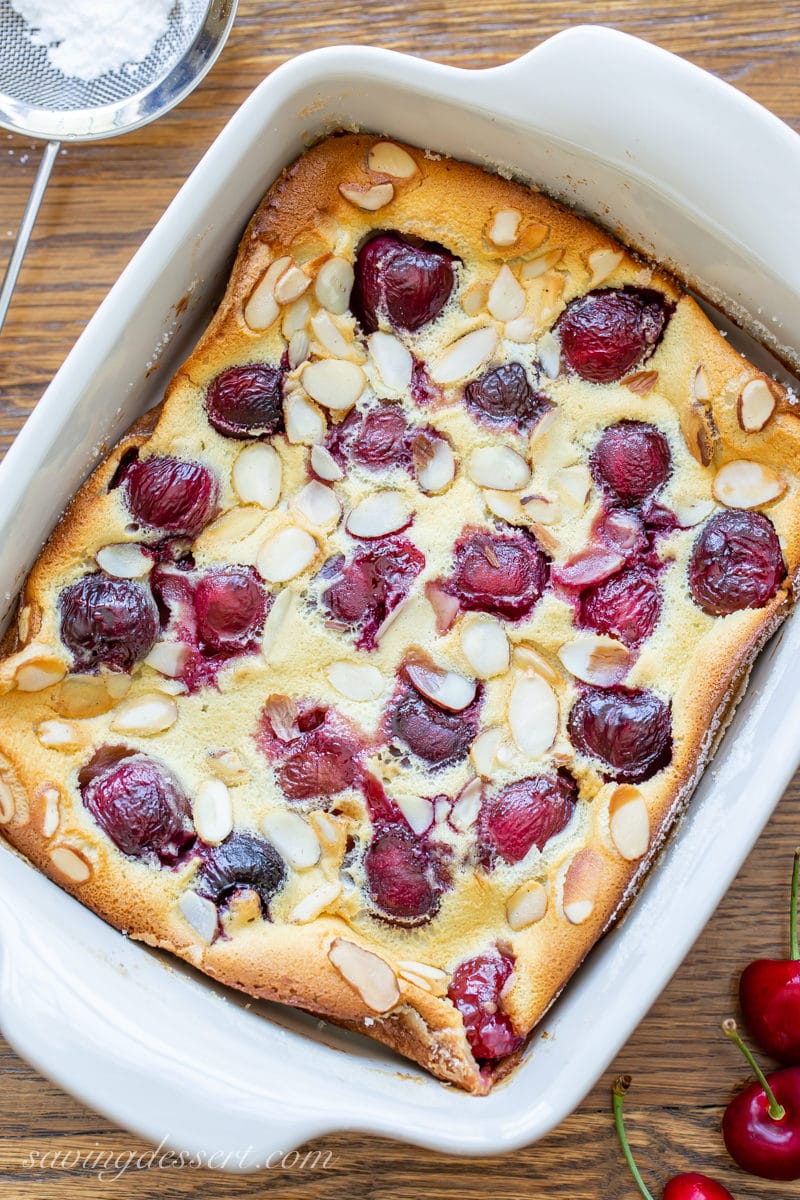
  • Cherry Clafoutis Recipe

    Cherry Clafoutis Recipe

    Cherry Clafoutis Recipe: A Taste of France in Every Bite

    Prepare yourself for a culinary journey to the heart of France with our irresistible Cherry Clafoutis Recipe. This classic dessert is an elegant blend of sweet, juicy cherries enveloped in a tender and custardy batter. Whether you’re a seasoned baker or a novice in the kitchen, this recipe will guide you step-by-step to create a masterpiece that will impress your taste buds and captivate your guests.

    Origin and History of Clafoutis

    Clafoutis originated in the Limousin region of central France, where it has been passed down through generations. The term “clafoutis” means “filled” in the Occitan language, referring to the batter-filled center that encases the succulent cherries. Traditionally made with black cherries, this dessert has gained global popularity with variations using different fruits.

    Personal Touch: A Memory of Summer

    My first encounter with clafoutis was during a picturesque summer vacation in the French countryside. The sweet aroma of baking batter wafted through the cobblestone streets, drawing me towards a charming patisserie. As I took my first bite, the delicate custard melted in my mouth, carrying with it the vibrant burst of plump cherries. It was an unforgettable culinary experience that inspired me to recreate this cherished treat in my own kitchen.

    What to Expect from This Recipe Article

    In this comprehensive guide, you’ll embark on a culinary adventure that includes:

    • A detailed ingredient list with precise measurements.
    • Step-by-step instructions that guide you through every stage of the cooking process.
    • Nutritional information for health-conscious readers.
    • Tips and tricks to enhance your experience.
    • Serving suggestions for an unforgettable presentation.
    • Equipment recommendations to ensure you have the right tools for the task.
    • Frequently asked questions (FAQs) to address common queries.

    Ingredients List

    • 1 pound fresh cherries, pitted
    • 1 cup granulated sugar
    • 2 cups whole milk
    • 2 cups heavy cream
    • 5 large eggs
    • 1/2 teaspoon almond extract
    • 1 teaspoon vanilla extract
    • 1/4 teaspoon salt
    • 1/2 cup all-purpose flour

    Preparation Steps

    1. Pit the Cherries: Remove the pits from the cherries using a cherry pitter or a sharp knife.

    2. Combine Wet Ingredients: In a large bowl, whisk together the milk, cream, eggs, almond extract, vanilla extract, and salt.

    3. Gradually Add Flour: Gradually add the flour to the wet ingredients, whisking constantly until a smooth batter forms.

    4. Preheat Oven: Preheat the oven to 375°F (190°C).

    5. Grease Baking Dish: Grease a 9-inch baking dish with butter.

    6. Combine Cherries and Batter: Pour the cherry halves into the prepared baking dish. Pour the batter over the cherries.

    7. Bake: Place the baking dish in the preheated oven and bake for 40-50 minutes, or until the center is set and the top is golden brown.

    8. Rest: Remove the clafoutis from the oven and let it rest for 15 minutes before serving.

    Cooking Time & Servings

    • Cooking Time: 40-50 minutes
    • Servings: 6-8

    Nutritional Information

    Per Serving:

    • Calories: 380
    • Fat: 20 grams
    • Saturated Fat: 12 grams
    • Carbohydrates: 42 grams
    • Protein: 15 grams
    • Fiber: 4 grams
    • Sugar: 24 grams

    Health Conditions and People to Avoid This Food

    Individuals with the following health conditions may need to limit or avoid cherry clafoutis due to:

    • Diabetes: Cherry clafoutis contains a high amount of sugar, which can raise blood sugar levels.
    • Lactose Intolerance: Whole milk and heavy cream contain lactose, a sugar that can cause digestive issues for lactose-intolerant individuals.
    • High Cholesterol: Cherry clafoutis contains saturated fat, which can raise blood cholesterol levels.

    Nutrition and Benefits to the Body

    Cherries:

    • Rich in antioxidants called anthocyanins, which have anti-inflammatory and anti-cancer properties.
    • Contain high levels of vitamin C, essential for immune system health.
    • Good source of potassium, which helps regulate blood pressure and hydration.

    Milk:

    • Excellent source of calcium and vitamin D, vital for strong bones.
    • Rich in protein, which helps repair and maintain muscles.
    • Contains riboflavin, a B vitamin that supports healthy vision and skin.

    Eggs:

    • High-quality protein source that contains all essential amino acids.
    • Rich in selenium, an antioxidant that protects the body from free radical damage.
    • Contain choline, an important nutrient for brain function.

    Disadvantages

    Vitamin C (in excess)

    • Diarrhea, nausea, and stomach cramps.
    • May interact with certain medications.
    • May lead to kidney stones if consumed in massive quantities. Eating moderately is perfectly fine, but acquiring excess of this nutrients is harmful.

    Potassium (in excess)

    • Fatigue and muscle cramps.
    • May interact with certain medications, such as ACE inhibitors and diuretics.
    • Can lead to hyperkalemia, a condition where potassium levels in the blood become too high. Eating moderately is perfectly fine, but acquiring excess of this nutrients is harmful.

    Eggs (in excess)

    • May increase the risk of heart disease due to cholesterol content.
    • May cause allergic reactions in some individuals. Eating moderately is perfectly fine, but acquiring excess of this nutrients is harmful.

    Tips and Tricks

    • For a sweeter clafoutis, add 1/4 cup more sugar to the batter.
    • For a gluten-free option, use gluten-free flour instead of all-purpose flour.
    • To make a dairy-free clafoutis, substitute almond milk and dairy-free cream.
    • Top your clafoutis with a dollop of whipped cream or a scoop of vanilla ice cream.
    • If you don’t have a cherry pitter, you can use a knife to carefully remove the pits.

    Equipment Needed

    • Cherry pitter (optional)
    • Knife
    • Large bowl
    • Whisk
    • 9-inch baking dish
    • Oven

    Variations or Substitutions

    • Fruit Substitutions: Instead of cherries, you can use other fruits such as peaches, blueberries, or strawberries.
    • Flavor Variations: Add 1/4 teaspoon of cinnamon or nutmeg to the batter for a warm and spicy flavor.

    Serving Suggestions

    • Serve warm or chilled.
    • Top with fresh fruit, whipped cream, or ice cream.
    • Garnish with mint leaves for an elegant touch.

    Storage and Reheating Instructions

    • Storage: Store leftovers in the refrigerator for up to 3 days.
    • Reheating: Preheat the oven to 350°F (175°C). Place the clafoutis in a small baking dish and cover with foil. Bake for 15-20 minutes, or until heated through.

    Conclusion

    Indulge in the irresistible flavors of France with our delectable Cherry Clafoutis Recipe. Every bite of this classic dessert is a testament to the harmony of sweet cherries and creamy custard. Whether you’re hosting a special occasion or simply craving a taste of homemade indulgence, this recipe will surely impress and satisfy. Let us know if you try it out, and don’t forget to share your thoughts and feedback! Bon appétit!

    Frequently Asked Questions (FAQs)

    Q: Can I make clafoutis ahead of time?
    A: Yes, you can make clafoutis up to 24 hours in advance. Simply cover and refrigerate the baked clafoutis until ready to serve.

    Q: What is the best way to store clafoutis?
    A: Store clafoutis in an airtight container in the refrigerator for up to 3 days.

    Q: Can I freeze clafoutis?
    A: Yes, you can freeze clafoutis for up to 2 months. Thaw overnight in the refrigerator before serving.

    Q: What if I don’t have a cherry pitter?
    A: You can use a knife to carefully remove the pits. Simply cut the cherries in half and remove the pits with the tip of the knife.

    Q: Can I substitute other fruits for cherries?
    A: Yes, you can substitute other pitted fruits such as peaches, blueberries, or strawberries.

  • Cheesy Hash Brown and Egg Breakfast Casserole Recipe

    Cheesy Hash Brown and Egg Breakfast Casserole Recipe

    Mouthwatering Cheesy Hash Brown and Egg Breakfast Casserole: A Culinary Masterpiece

    Indulge in the ultimate breakfast delight with our tantalizing “Cheesy Hash Brown and Egg Breakfast Casserole Recipe.” This heartwarming dish marries crispy hash browns, fluffy eggs, and an irresistible cheesy concoction, promising a symphony of flavors that will awaken your senses and satisfy your cravings.

    Origin and History of the Divine Casserole

    This delectable casserole traces its roots back to the quaint kitchens of rural America, where resourceful homemakers discovered the art of transforming leftover hash browns into a delectable breakfast treat. By layering grated cheese, creamy eggs, and crispy hash browns, they created a comforting dish that became an instant family favorite. Over the years, the recipe has evolved, incorporating a wide array of spices, vegetables, and other ingredients, catering to diverse taste buds worldwide.

    Personal Touch: A Labor of Love

    As a passionate home cook, I have a special affection for this breakfast casserole. It reminds me of cozy family gatherings and lazy Sunday mornings spent lingering over a delicious meal. For me, the secret to a perfect casserole lies in the use of fresh, quality ingredients and a generous sprinkle of love.

    What’s in Store: A Culinary Journey

    In this delectable guide, we’ll delve into the intricacies of creating the ultimate Cheesy Hash Brown and Egg Breakfast Casserole. From gathering the finest ingredients to mastering the art of layering and baking, I’ll share every step of this culinary adventure with you.

    Ingredients List: The Building Blocks of Flavor

    • 1 package (30 ounces) frozen shredded hash browns, thawed
    • 6 large eggs
    • 1 cup milk
    • 1 teaspoon salt
    • 1/2 teaspoon black pepper
    • 1 cup shredded cheddar cheese
    • 1/2 cup shredded mozzarella cheese

    Preparation Steps: Guiding Your Culinary Symphony

    1. Preheat oven to 350°F (175°C).
    2. In a large bowl, whisk together the eggs, milk, salt, and pepper.
    3. Spread the thawed hash browns evenly in the bottom of an 8×8-inch baking dish.
    4. Top the hash browns with the cheese.
    5. Pour the egg mixture over the cheese.
    6. Bake in the preheated oven for 30-35 minutes, or until the eggs are set and the casserole is golden brown.
    7. Let cool for 5 minutes before serving.

    Cooking Time & Servings: Planning Your Culinary Extravaganza

    • Cooking Time: 30-35 minutes
    • Servings: 4-6

    Nutritional Information: Nourishing Your Body and Soul

    Per Serving:

    • Calories: 350
    • Fat: 20 grams
    • Protein: 25 grams
    • Carbohydrates: 20 grams

    Health Conditions and Caution: Knowing What to Watch For

    Consult a healthcare professional with any questions or concerns you have about your health issue.

    People with the following health conditions should avoid or limit consuming “Cheesy Hash Brown and Egg Breakfast Casserole Recipe”:

    • High Cholesterol: The high saturated fat content in this recipe can contribute to high cholesterol levels.
    • Heart Disease: The saturated fat in this recipe can increase the risk of heart disease.
    • Diabetes: The high carbohydrate content in this recipe can raise blood sugar levels, which is dangerous for people with diabetes.
    • Lactose Intolerance: The milk and cheese in this recipe contain lactose, which can cause digestive problems for people with lactose intolerance.

    Nutrition and Benefits: A Symphony of Nutrients

    • Eggs: Rich in protein, vitamins, and minerals, eggs contribute to muscle growth, repair, and overall well-being.
    • Cheese: Contains calcium, protein, and healthy fats, supporting bone health, muscle function, and immune health.
    • Hash Browns: Made from potatoes, hash browns provide complex carbohydrates, potassium, and fiber, benefiting digestion and heart health.
    • Milk: A powerhouse of calcium, vitamin D, and protein, milk supports strong bones, healthy teeth, and overall hydration.

    Eating moderately is perfectly fine, but acquiring excess of this nutrients is harmful

    Tips and Tricks: Elevating Your Culinary Skills

    • For a crispy crust, broil the casserole for 2-3 minutes at the end of baking time.
    • Add chopped veggies like bell peppers, onions, or mushrooms to enhance nutrition and flavor.
    • Replace milk with almond milk or soy milk for a dairy-free option.
    • Use different cheeses like Swiss, Monterey Jack, or Gouda for a unique twist.

    Equipment Needed: The Right Tools for the Right Job

    • 8×8-inch baking dish
    • Mixing bowls
    • Whisk
    • Fork or spatula

    Variations or Substitutions: Customizing to Your Taste

    • For a vegetarian version, replace the eggs with a tofu scramble.
    • Use whole-wheat hash browns for added fiber.
    • Top with salsa, sour cream, or hot sauce for extra zest.

    Serving Suggestions: A Presentation Delight

    • Garnish with fresh herbs like chives or parsley.
    • Serve with a side of fruit salad or roasted vegetables.
    • Bake in individual ramekins for a stylish presentation.

    Storage and Reheating Instructions: Preserving Your Culinary Creation

    • Refrigerate leftovers in an airtight container for up to 3 days.
    • Reheat in the oven at 350°F (175°C) for about 15 minutes or until heated through.

    Conclusion: A Call to Culinary Adventure

    Join me on this culinary adventure and experience the sheer delight of homemade Cheesy Hash Brown and Egg Breakfast Casserole. From the first bite to the last, this savory dish will enchant your taste buds and fill your home with warmth. Be sure to share your creations and tag us on social media; we can’t wait to see your culinary masterpieces. Remember, the kitchen is your canvas, and this recipe is your brush; go forth and create a masterpiece that will tantalize your family and friends.

    Frequently Asked Question (FAQs)

    Q: Can I use fresh potatoes instead of frozen hash browns?
    A: Yes, grate about 2-3 large potatoes and squeeze out any excess moisture before layering them in the baking dish.

    Q: How do I make the casserole vegetarian?
    A: Omit the eggs and replace them with an equivalent amount of tofu scramble or a plant-based egg replacer.

    Q: What type of cheese is best to use?
    A: Sharp cheddar or mozzarella cheese are great options for a full-flavored casserole. Other blend can be use, the choice is yours

    Q: Can I cook the casserole in advance?
    A: Yes, you can make the casserole up to 1 day ahead of time and refrigerate it. When ready to serve, reheat it in the oven or microwave until heated through.

    Q: What are some healthy alternatives for hash browns?
    A: Shredded sweet potatoes or zucchini make healthy and delicious substitutes for hash browns.

  • Russian Buttermilk Pancakes Recipe

    Russian Buttermilk Pancakes Recipe

    Russian Buttermilk Pancakes: A Delectable Taste of Russian Heritage

    Immerse yourself in the enchanting world of Russian cuisine with this exquisite recipe for buttermilk pancakes. These mouthwatering pancakes, known as “blini” in Russia, are a testament to the country’s rich culinary traditions, passed down through generations with love and care.

    Origin and History of Russian Buttermilk Pancakes

    Blini originated in the vast Russian countryside centuries ago, where they were prepared in homes and monasteries as a traditional breakfast and festival treat. The name “blini” stems from the word “mlin,” meaning “to grind,” referring to the process of grinding the grain to create flour. Over time, these pancakes became an integral part of Russian culture, symbolizing hospitality, abundance, and the welcoming of the new year.

    Personal Touch: A Family Feast

    As a child, my grandmother would spend countless hours in the kitchen preparing these fluffy pancakes for our family gatherings. The aroma of buttermilk, flour, and butter filled the house, creating an atmosphere of warmth and togetherness. Each bite of those pancakes would transport me to the vibrant streets of Moscow, where blini vendors lined the sidewalks, offering tempting treats to passersby.

    Things to Expect in This Post

    In this comprehensive guide, we’ll delve into the history, preparation, and nutritional value of Russian buttermilk pancakes. We’ll guide you step-by-step through the cooking process, offering tips and tricks to ensure perfect pancakes every time.

    Ingredients List

    • 2 cups (250g) all-purpose flour
    • 2 teaspoons baking powder
    • 1/2 teaspoon baking soda
    • 1/2 teaspoon salt
    • 1 egg, beaten
    • 1 1/4 cups (310ml) buttermilk
    • 1/4 cup (60ml) melted butter, plus more for greasing the pan

    Preparation Steps

    1. Prepare the Dry Ingredients: In a large bowl, whisk together the flour, baking powder, baking soda, and salt.
    2. Combine Wet and Dry Ingredients: In a separate bowl, whisk together the beaten egg, buttermilk, and melted butter.
    3. Mix the Batters: Gradually add the wet ingredients to the dry ingredients, whisking until just combined. Do not overmix.
    4. Rest the Batter: Let the batter rest for 15-20 minutes at room temperature. This will allow the baking powder to activate and create light and fluffy pancakes.
    5. Prepare the Pan: Heat a well-greased non-stick pan or griddle over medium heat.
    6. Cook the Pancakes: Pour 1/4 cup of batter into the center of the pan and spread it into a 4-inch (10cm) circle. Cook for 2-3 minutes per side, or until golden brown.
    7. Repeat: Repeat the process for the remaining batter.
    8. Serve Immediately: Serve the Russian buttermilk pancakes with your desired toppings, such as honey, fruit, or sour cream.

    Cooking Time & Servings

    • Total Cooking Time: Approximately 45 minutes
    • Number of Servings: Makes about 12 pancakes

    Nutritional Information (per pancake)

    • Calories: 150
    • Carbohydrates: 20g
    • Protein: 4g
    • Fat: 5g

    Health Conditions and People to Avoid This

    People with gluten allergies or celiac disease should avoid Russian buttermilk pancakes, as they contain wheat flour. Individuals with lactose intolerance or a milk allergy can substitute buttermilk with a plant-based alternative such as almond milk or soy milk.

    Nutrition and Benefits

    • Carbohydrates: Pancakes provide a good source of carbohydrates, which provide the body with energy.
    • Protein: Eggs and buttermilk contribute to the protein content of pancakes, which aids in muscle growth and repair.
    • Calcium: Milk and buttermilk are excellent sources of calcium, essential for strong bones and teeth.
    • Potassium: Pancakes contain potassium, a mineral that helps maintain fluid balance and regulates blood pressure.

    Disadvantages

    • Excess Carbohydrates: Consuming too many pancakes can lead to excessive weight gain.
    • High Calories: Pancakes are relatively high in calories, so moderation is key.
    • Added Sugars: If toppings like honey or syrup are added, the sugar content can increase significantly.
    • Fat Content: Buttermilk pancakes contain some fat, primarily from the butter used in the recipe. Eating moderately is perfectly fine, but acquiring excess of this nutrients is harmful.

    Tips and Tricks

    • For thicker pancakes, reduce the amount of buttermilk in the batter.
    • For thinner pancakes, increase the amount of buttermilk in the batter.
    • Use fresh buttermilk for the best flavor. If you don’t have access to buttermilk, you can make your own by adding 1 tablespoon of lemon juice or white vinegar to 1 cup of regular milk and letting it stand for 5 minutes.
    • Allow the batter to rest for 15-20 minutes before cooking. This will help the pancakes to become fluffy.
    • Serve the pancakes with your favorite toppings, such as honey, fruit, whipped cream, or butter.

    Equipment Needed

    • Mixing bowls
    • Whisk
    • Non-stick pan or griddle
    • Spatula

    Variations or Substitutions

    • Gluten-free flour can be substituted for all-purpose flour for a gluten-free version.
    • Almond milk or soy milk can be used instead of buttermilk for a dairy-free version.
    • Sweeteners such as honey or maple syrup can be added to the batter for a sweeter taste.

    Serving Suggestions

    • Serve the Russian buttermilk pancakes with a dollop of sour cream and fresh berries.
    • Arrange the pancakes in a stack and drizzle with warm honey for a classic presentation.
    • Top the pancakes with a scoop of ice cream and a drizzle of chocolate sauce for a decadent treat.

    Storage and Reheating Instructions

    • Store the leftover pancakes in an airtight container in the refrigerator for up to 3 days.
    • Reheat the pancakes in the microwave for 30-60 seconds, or until warmed through.
    • Alternatively, reheat the pancakes in a preheated oven at 350°F (175°C) for 10-15 minutes, or until warmed through.

    Conclusion

    Whether you’re celebrating a special occasion or simply looking for a comforting breakfast, these Russian buttermilk pancakes are sure to delight your taste buds. They may start as simple ingredients, but when combined with the love and traditions of Russia, they transform into culinary masterpieces. We encourage you to try this recipe and share your creations on social media. Questions and comments are welcomed and appreciated.

    Frequently Asked Questions (FAQs)

    • Can I use regular milk instead of buttermilk?
      • Yes, you can use regular milk instead of buttermilk. However, the pancakes will be less tangy and flavorful.
    • Can I make these pancakes ahead of time?
      • Yes, you can make these pancakes ahead of time. Cook the pancakes as directed, then let them cool completely. Store the pancakes in an airtight container in the refrigerator for up to 3 days. Reheat the pancakes in the microwave or oven before serving.
    • What are some other fillings that I can add to the pancakes?
      • There are many other fillings that you can add to the pancakes, such as fruit, whipped cream, chocolate chips, or nuts.
    • Can I make these pancakes gluten-free?
      • Yes, you can make these pancakes gluten-free. Substitute the all-purpose flour with a gluten-free flour blend.
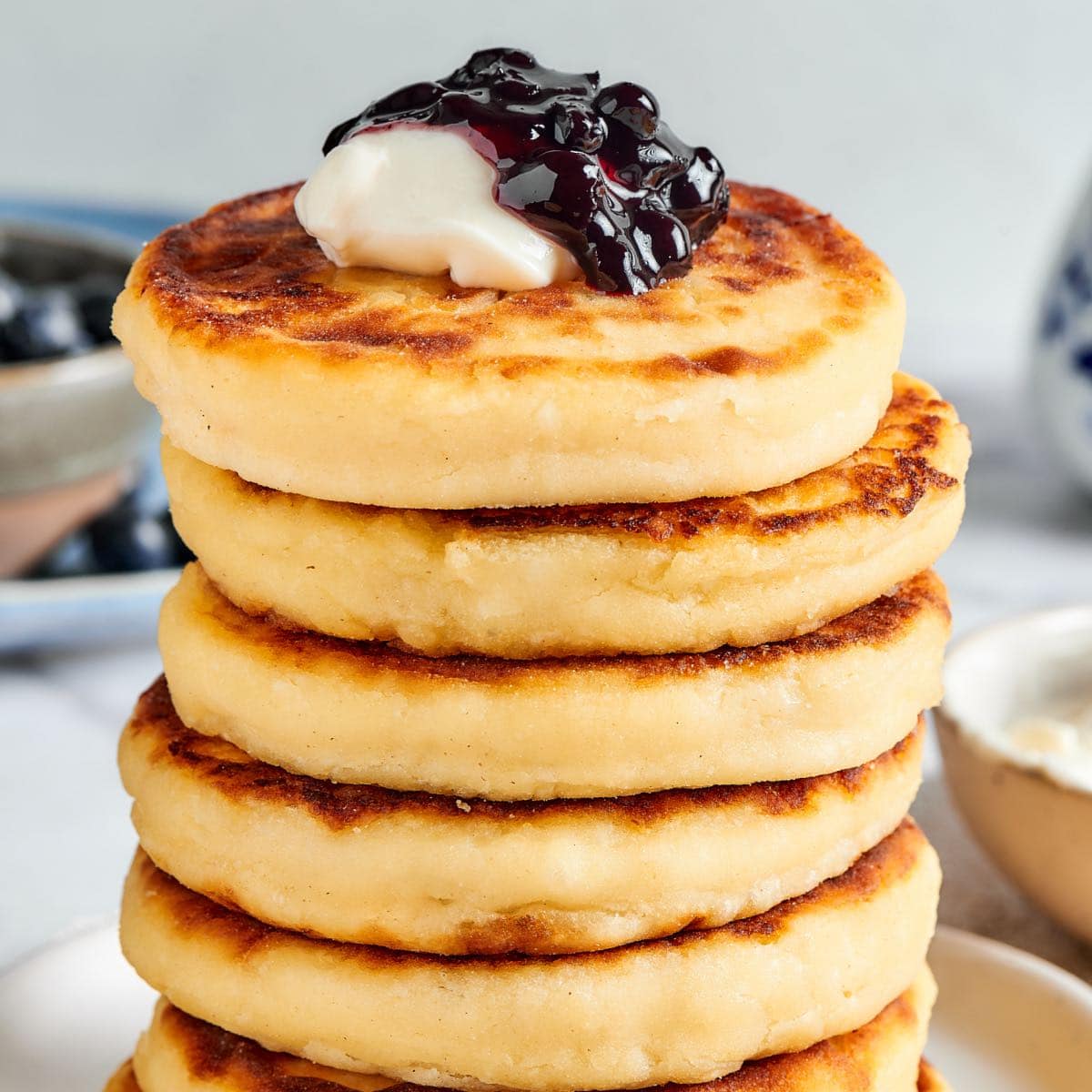
  • Fluffy Cottage Cheese Pancakes Recipe

    Fluffy Cottage Cheese Pancakes Recipe

    Fluffy Cottage Cheese Pancakes Recipe: A Delightful Taste of Tradition

    Prepare yourself for a culinary journey as we embark on creating a masterpiece: Fluffy Cottage Cheese Pancakes. These delectable treats, bursting with distinct flavors and textures, have graced breakfast tables for centuries. Join us as we explore their origins, ingredients, and the secrets behind their irresistible fluffiness.

    Origins and History

    The origins of cottage cheese pancakes can be traced back to Eastern Europe, where they have been a beloved dish for generations. Originally known as syrniki or tvorozhniki, these pancakes found their way to other parts of the world, captivating taste buds everywhere they ventured. Over time, they have become a popular breakfast and brunch item, adored by people of all ages.

    Personal Touch

    Growing up, cottage cheese pancakes were a staple in our family on lazy Sunday mornings. The aroma of freshly made pancakes filled the air, inviting us all to gather around the table. We would generously slather them with butter and sweeten them with fruit preserves or a drizzle of honey. Each bite was a symphony of flavors and textures that left us wanting more.

    What to Expect in this Post

    In this post, we’ll delve into the Fluffy Cottage Cheese Pancakes Recipe, exploring its ingredients, step-by-step instructions, nutritional value, and the science behind its cloud-like texture. We’ll also provide helpful tips and tricks, discuss variations, and suggest serving suggestions to elevate your pancake experience.

    Ingredients List

    • 1 cup cottage cheese
    • 2 eggs
    • 1/4 cup flour
    • 1/4 cup sugar
    • 1 teaspoon vanilla extract
    • 1/2 teaspoon baking powder
    • 1/2 teaspoon baking soda
    • 1/4 teaspoon salt
    • Oil or butter for greasing the pan

    Preparation Steps

    1. In a large bowl, combine the cottage cheese, eggs, flour, sugar, vanilla extract, baking powder, baking soda, and salt. Whisk until well combined.
    2. In a well-oiled or buttered pan heated over medium heat, drop spoonfuls of batter.
    3. Cook for 3-4 minutes per side, or until golden brown and cooked through.
    4. Remove the pancakes from the pan and serve immediately.

    Cooking Time & Servings

    Cooking Time: 20-25 minutes
    Servings: 6-8 pancakes

    Nutritional Information

    Per serving (1 pancake):

    • Calories: 180
    • Protein: 10g
    • Carbohydrates: 25g
    • Fat: 5g
    • Fiber: 2g

    Health Conditions and People to Avoid This

    Cottage cheese pancakes are generally safe for most people. However, individuals with lactose intolerance or an allergy to cottage cheese should avoid consuming them.

    Nutrition and Benefits to the Body

    • Cottage Cheese: Provides high-quality protein and is a good source of calcium, vitamin B12, and riboflavin.
    • Eggs: Excellent source of protein, vitamins (A, D, and E), and minerals (iron and selenium).
    • Flour: Provides carbohydrates for energy.
    • Vanilla Extract: Adds flavor and antioxidants.

    Disadvantages

    Excessive consumption of cottage cheese pancakes may lead to:

    • Weight Gain: High in calories and fat.
    • High Blood Sugar: Contains refined flour and sugar.
    • Constipation: If not consumed with enough fiber.
    • Acne: Dairy products in cottage cheese may trigger breakouts.

    Eating moderately is perfectly fine, but acquiring excess of this nutrients is harmful

    Tips and Tricks

    • For thicker pancakes, add more cottage cheese.
    • For thinner pancakes, add more flour.
    • Add your favorite fruits, nuts, or spices to the batter for variation.
    • Use buttermilk instead of regular milk for extra fluffiness.
    • Cook the pancakes on low-medium heat to prevent burning.

    Equipment Needed

    • Mixing bowl
    • Whisk
    • Pan
    • Spatula

    Variations or Substitutions

    • Gluten-free: Use gluten-free flour.
    • Dairy-free: Use dairy-free cottage cheese and milk.
    • Vegan: Use vegan cottage cheese and egg replacement.

    Serving Suggestions

    • Serve with butter and maple syrup.
    • Top with fresh berries and whipped cream.
    • Serve with a side of fruit compote or yogurt.

    Storage and Reheating Instructions

    • Storage: Store leftovers in an airtight container in the refrigerator for up to 3 days.
    • Reheating: Reheat pancakes in the microwave or in a preheated oven at 350°F for 5-7 minutes.

    Conclusion

    Fluffy Cottage Cheese Pancakes are a delightful breakfast or brunch treat that can be enjoyed by all. With their perfect balance of fluffiness and flavor, they are sure to be a hit with the whole family. We encourage you to experiment with variations and substitutions to create your perfect pancake combination. Share your creations with us on social media and let us know how they turned out!

    Frequently Asked Questions (FAQs)

    • Q: What is cottage cheese made of?

      • A: Cottage cheese is a soft, fresh cheese made from curdled milk.
    • Q: Can I use ricotta cheese instead of cottage cheese?

      • A: Yes, ricotta cheese can be used as a substitute, but it may not produce as much fluffiness.
    • Q: Why are my cottage cheese pancakes dense?

      • A: Possible reasons include overmixing the batter, using too much flour, or cooking them on too high heat.
    • Q: How do I store leftover cottage cheese pancakes?

      • A: Leftover pancakes can be stored in the refrigerator for up to 3 days.
    • Q: Can I freeze cottage cheese pancakes?

      • A: Yes, cottage cheese pancakes can be frozen for up to 2 months. Thaw them in the refrigerator overnight before reheating.
  • Easy Cheese Danish Recipe

    Easy Cheese Danish Recipe

    Indulge in the Delightful Flavors of an Easy Cheese Danish Recipe

    Introducing the irresistible “Easy Cheese Danish Recipe,” a culinary masterpiece that will tantalize your taste buds and leave you craving more. With a flaky, buttery crust and a creamy, savory filling, this Danish delight is the perfect pastry to enjoy for breakfast, brunch, or afternoon tea.

    Origin and History

    The origins of Danish pastries can be traced back to the late 1800s, when Austrian bakers immigrated to Denmark and introduced their traditional “Viennese pastries” to the Scandinavian country. Over time, Danish bakers made adjustments to the recipes, using local ingredients and techniques to create the unique pastries we know and love today.

    A Personal Touch

    Growing up in a Danish household, the aroma of freshly baked Danish pastries always filled the air. My grandmother’s signature cheese Danish was a cherished family tradition, and I’ve always loved recreating this beloved recipe at home.

    What to Expect in This Post

    In this comprehensive guide, we’ll delve into the details of making an “Easy Cheese Danish Recipe.” We’ll provide a detailed ingredients list, step-by-step instructions, and helpful tips and tricks to ensure your Danish pastries turn out perfectly every time.

    Ingredients List

    For the Dough:

    • 1 cup all-purpose flour, plus more for dusting
    • 1 tablespoon granulated sugar
    • 1 teaspoon baking powder
    • 1/2 teaspoon salt
    • 1/2 cup unsalted butter, cold and cut into small pieces
    • 1 large egg
    • 1 tablespoon cold milk

    For the Cheese Filling:

    • 8 ounces cream cheese, softened
    • 1/2 cup sour cream
    • 1/4 cup sugar
    • 2 egg yolks
    • 1 teaspoon vanilla extract
    • Pinch of salt

    Preparation Steps

    Making the Dough:

    1. In a large bowl, whisk together the flour, sugar, baking powder, and salt.
    2. Add the cold butter and use your fingers or a pastry cutter to work it into the flour mixture until it resembles coarse crumbs.
    3. Add the egg and cold milk to the flour mixture and mix until a dough forms. Do not overmix.
    4. Wrap the dough in plastic wrap and refrigerate for at least 30 minutes.

    Making the Cheese Filling:

    1. In a medium bowl, beat together the cream cheese, sour cream, sugar, egg yolks, vanilla extract, and salt until smooth.
    2. Set aside in the fridge until ready to use.

    Assembling the Danish Pastries:

    1. Preheat oven to 375°F (190°C). Line a baking sheet with parchment paper.
    2. On a lightly floured surface, roll out the dough into a 12-inch (30 cm) square.
    3. Spread the cheese filling evenly over the dough, leaving a 1-inch (2.5 cm) border.
    4. Starting from one long side, roll up the dough into a snail shape.
    5. Cut the snail into 12 equal pieces and place them on the prepared baking sheet.

    Baking the Danish Pastries:

    1. Brush the Danish pastries with melted butter.
    2. Bake for 20-25 minutes, or until golden brown.
    3. Let cool on a wire rack before serving.

    Cooking Time & Servings

    • Preparation time: 45 minutes
    • Cooking time: 20-25 minutes
    • Servings: 12 pastries

    Nutritional Information (Per Serving)

    • Calories: 350
    • Fat: 20 grams
    • Carbohydrates: 40 grams
    • Protein: 10 grams

    Health Conditions and People to Avoid This Dish

    • Lactose Intolerance: Individuals who are lactose intolerant should avoid consuming cheese pastries due to the presence of dairy in the filling.
    • Celiac Disease: Gluten-free alternatives to all-purpose flour should be used for individuals with celiac disease.

    Nutrition and Benefits to the Body

    Cheese:

    • Protein: Essential nutrient for building and repairing body tissues.
    • Calcium: Important for strong bones and teeth.
    • Riboflavin: Contributes to energy production and cell growth.

    Flour:

    • Fiber: Supports digestion and promotes a feeling of fullness.
    • Manganese: Involved in metabolism and bone health.
    • Thiamin: Assists in energy production and nerve function.

    Tips and Tricks

    • For a flaky dough, make sure to use cold butter and work it into the flour mixture quickly.
    • If you don’t have refrigeration time, you can freeze the dough for at least 15 minutes.
    • To make ahead, assemble the Danish pastries and freeze them unbaked for up to 2 months. When ready to bake, thaw overnight in the refrigerator and proceed with the baking instructions.
    • For a sweeter Danish pastry, sprinkle the top with sugar before baking.

    Equipment Needed

    • Mixing bowls
    • Pastry cutter or fork
    • Rolling pin
    • Pastry brush
    • Cookie sheet
    • Parchment paper

    Variations or Substitutions

    • Gluten-Free: Use gluten-free all-purpose flour.
    • Vegan: Replace dairy products with plant-based alternatives, such as almond milk and vegan cream cheese.
    • Sweet Cheese Filling: Add cinnamon or nutmeg to the cheese filling for a sweeter flavor.

    Serving Suggestions

    • Serve with a dollop of whipped cream or fresh fruit.
    • Pair with a hot cup of coffee or tea.
    • Arrange on a platter with other pastries for a brunch or afternoon tea party.

    Storage and Reheating Instructions

    • Refrigeration: Store the pastries in an airtight container in the refrigerator for up to 3 days.
    • Reheating: Preheat oven to 325°F (160°C). Wrap the pastries in aluminum foil and reheat for 10-15 minutes, or until warmed through.

    Conclusion

    With its irresistible combination of flaky pastry and savory filling, our “Easy Cheese Danish Recipe” is sure to become a family favorite. Embrace the joy of baking these delectable treats and let the aromatic scents fill your home. Share your creations with loved ones, and be sure to tag us on social media to showcase your culinary masterpieces.

    Frequently Asked Questions

    • Q: Can I use bread flour instead of all-purpose flour?
      A: Yes, you can, but the bread flour will produce a chewier pastry.
    • Q: What is the best way to prevent the dough from shrinking when baking?
      A: Chill the dough thoroughly before rolling and baking. This helps to prevent the butter from melting too quickly, which can cause shrinkage.
    • Q: What can I use as a substitute for sour cream in the cheese filling?
      A: You can use plain yogurt, Greek yogurt, or buttermilk instead of sour cream.
    • Q: Can I make these Danish pastries ahead of time?
      A: Yes, you can assemble the unbaked pastries and freeze them for up to 2 months. To bake, thaw overnight in the refrigerator and proceed with the baking instructions.
  • Eggs Florentine Recipe

    Eggs Florentine Recipe

    Introduction:

    Are you looking for a delicious and nutritious breakfast or brunch option? Look no further than the classic Eggs Florentine recipe! This delectable dish features perfectly poached eggs atop a bed of wilted spinach and a toasted English muffin, all smothered in a creamy hollandaise sauce. The combination of flavors and textures in Eggs Florentine is sure to satisfy your tastebuds and leave you wanting more.

    Origin and History Of This Recipe:

    Eggs Florentine is a variation of the classic Eggs Benedict dish, which is said to have originated in New York City in the late 19th century. The Florentine version adds spinach to the mix, giving it a nutritious and flavorful twist. The name “Florentine” comes from the Italian city of Florence, known for its abundance of fresh spinach. This dish has since become a staple on brunch menus around the world, loved for its rich and indulgent taste.

    Things To Expect In This Post Article:

    In this post, we will delve into the history and origins of the Eggs Florentine recipe, provide a detailed list of ingredients, walk you through the preparation steps, offer nutritional information, share serving suggestions, and provide tips and tricks for making the perfect Eggs Florentine at home.

    Ingredients List:

    • 4 eggs
    • 1 cup of fresh spinach
    • 2 English muffins, split and toasted
    • 1/2 cup of hollandaise sauce
    • Salt and pepper to taste

    Preparation Steps:

    1. In a large skillet, wilt the spinach over medium heat and set aside.
    2. Poach the eggs in a pot of simmering water until the whites are set but the yolks are still runny.
    3. Toast the English muffins until golden brown.
    4. Assemble the Eggs Florentine by placing the toasted English muffin halves on a plate, topping each half with a portion of wilted spinach, a poached egg, and a generous drizzle of hollandaise sauce.
    5. Season with salt and pepper to taste and serve hot.

    Cooking Time & Servings:

    This recipe takes approximately 20 minutes to prepare and serves 2 people.

    Personal Touch:

    Growing up, Eggs Florentine was a special treat for me on lazy Sunday mornings. I always loved the combination of creamy hollandaise sauce, perfectly poached eggs, and wilted spinach. It’s a dish that brings back fond memories and one that I now love to recreate for my own family.

    Nutritional Information:

    Per serving:

    • Calories: 300
    • Protein: 12g
    • Carbohydrates: 30g
    • Fat: 15g
    • Fiber: 5g

    Health Conditions And People To Avoid This:

    While Eggs Florentine is a delicious and nutritious dish, it may not be suitable for individuals with dairy or egg allergies, as well as those on a low-carb or keto diet. It is also not recommended for individuals with kidney disease, due to the high protein content.

    Nutrition and Benefits To The Body:

    Eggs are a great source of protein, vitamins, and minerals, while spinach is packed with iron, vitamin A, and fiber. Combined with the hollandaise sauce, Eggs Florentine provides a well-rounded meal that is both delicious and nutritious.

    Disadvantages:

    While Eggs Florentine is a healthy dish overall, the hollandaise sauce can be high in calories and fat. Eating it in moderation is key to enjoying this dish without overindulging.

    Tips and Tricks:

    • To make Eggs Florentine vegetarian-friendly, simply omit the eggs and add grilled tomatoes or mushrooms instead.
    • For a lighter version, use Greek yogurt in place of hollandaise sauce for a healthier twist.

    Equipment Needed:

    • Skillet
    • Pot
    • Toaster
    • Serving plate

    Variations or Substitutions:

    You can customize Eggs Florentine to suit your taste preferences by adding smoked salmon, avocado, or bacon. You can also swap out the English muffins for whole wheat toast or gluten-free bread.

    Serving Suggestions:

    Serve Eggs Florentine with a side of fresh fruit or a mixed green salad for a balanced meal. Garnish with chopped chives or parsley for a pop of color.

    Storage and Reheating Instructions:

    Leftover Eggs Florentine can be stored in an airtight container in the refrigerator for up to 2 days. To reheat, place in the microwave for 1-2 minutes until heated through.

    Conclusion:

    Eggs Florentine is a classic brunch dish that is sure to impress your family and friends. Try making it at home and enjoy the rich flavors and textures of this delicious recipe. Don’t forget to share your creations on social media and tag us in your photos!

    Frequently Asked Questions (FAQs):

    1. Can I make Eggs Florentine ahead of time?
      Yes, you can prepare the components ahead of time and assemble right before serving for best results.
    2. Can I use frozen spinach in this recipe?
      Yes, you can use frozen spinach, just be sure to thaw and drain it before wilting.
    3. How do I know when the poached eggs are done?
      A poached egg is done when the whites are set but the yolk is still runny. Use a slotted spoon to lift the egg out of the water and gently press on the yolk to check for doneness.
    4. Can I use a blender to make hollandaise sauce?
      Yes, you can use a blender to make hollandaise sauce for a quick and easy preparation.
    5. How can I make Eggs Florentine dairy-free?
      You can make a dairy-free hollandaise sauce using vegan butter, plant-based milk, and lemon juice for a dairy-free version of Eggs Florentine.