Tag: traditional

  • German Pretzels Recipe

    German Pretzels Recipe

    German Pretzels Recipe

    Introduction:

    There’s something truly special about the savory, doughy goodness of German pretzels. This traditional recipe has been passed down through generations, offering a taste of rich history and delicious flavors. Whether you’re craving a warm snack or looking to impress guests at a party, German Pretzels are the perfect choice.

    Origin and History Of This Recipe:

    German Pretzels have a long history dating back to the Middle Ages. These twisted treats were originally created by monks as rewards for children reciting prayers. Over the years, pretzels became a symbol of good luck and prosperity, often given at important life events like weddings and New Year celebrations. Today, German Pretzels are enjoyed around the world for their unique flavor and satisfying crunch.

    Tings To Expect In This Post Article:

    • Detailed ingredients list
    • Step-by-step preparation instructions
    • Cooking time and servings
    • Personal touch and anecdotes
    • Nutritional information
    • Health conditions to avoid this dish
    • Nutritional benefits
    • Disadvantages
    • Tips and tricks
    • Equipment needed
    • Variations and substitutions
    • Serving suggestions
    • Storage and reheating instructions
    • FAQ section

    Ingredients List:

    • 2 ¼ tsp active dry yeast
    • 1 cup warm water
    • 1 tbsp sugar
    • 3 cups all-purpose flour
    • 1 tsp salt
    • 2 tbsp baking soda
    • 1 egg, beaten
    • Coarse salt for topping

    Preparation Steps:

    1. Dissolve yeast in warm water with sugar and let sit for 5 minutes.
    2. Mix flour and salt in a large bowl, then add yeast mixture and knead dough until smooth.
    3. Divide dough into equal portions and roll each into a long rope, twisting into pretzel shapes.
    4. Boil water and baking soda, then dip each pretzel for 30 seconds.
    5. Place pretzels on a baking sheet, brush with beaten egg, sprinkle with salt, and bake at 450°F for 12-15 minutes.

    Cooking Time & Servings:

    Preparation time: 30 minutes
    Cooking time: 12-15 minutes
    Servings: 8 pretzels

    Personal Touch:

    I first tried German Pretzels on a trip to Munich and fell in love with their crispy exterior and soft, chewy center. Recreating them at home brings back memories of that magical vacation and always leaves me smiling.

    Nutritional Information:

    Serving size: 1 pretzel
    Calories: 150
    Total Fat: 1g
    Sodium: 1100mg
    Carbohydrates: 31g
    Protein: 5g

    Health Conditions And People To Avoid This:

    • Individuals with gluten intolerance or celiac disease should avoid this recipe due to the use of wheat flour.
    • Those with high blood pressure should limit their sodium intake, as pretzels are high in salt.

    Nutrition and Benefits To The Body:

    • Carbohydrates provide energy for daily activities.
    • Protein is essential for muscle growth and repair.
    • However, excessive sodium intake can lead to high blood pressure and other health issues.

    Disadvantages:

    • Excessive consumption of carbohydrates can lead to weight gain and blood sugar spikes.
    • High sodium levels can contribute to hypertension and kidney problems.

    Tips and Tricks:

    • For a sweeter twist, brush pretzels with melted butter and sprinkle with cinnamon sugar.
    • Try using whole wheat flour for added fiber and nutrients.
    • Experiment with different toppings like sesame seeds or poppy seeds for extra flavor.

    Equipment Needed:

    • Mixing bowl
    • Baking sheet
    • Pastry brush
    • Saucepan
    • Oven

    Variations or Substitutions:

    • Use gluten-free flour for a celiac-friendly version.
    • Substitute honey for sugar for a slightly sweeter taste.

    Serving Suggestions:

    • Serve warm with mustard or cheese dip for a classic pairing.
    • Pair with a cold beer or hot cider for a delicious snack.

    Storage and Reheating Instructions:

    • Store leftover pretzels in an airtight container at room temperature for up to 2 days.
    • To reheat, place in a 350°F oven for 5-10 minutes until warmed through.

    Conclusion:

    Homemade German Pretzels are a delightful treat that will transport you to the streets of Bavaria with each bite. Give this recipe a try and savor the flavors of tradition and comfort. Share your creations with us on social media and let us know how they turned out!

    Frequently Asked Questions (FAQs):

    Q: Can I freeze the pretzel dough for later use?
    A: Yes, you can freeze the dough after shaping it into pretzels. Just let them thaw before boiling and baking.

    Q: Can I make mini pretzels with this recipe?
    A: Absolutely! Simply divide the dough into smaller portions for bite-sized pretzels.

    Q: How long will the pretzels stay fresh?
    A: The pretzels are best enjoyed fresh on the day they are made, but they can be stored for a day or two in an airtight container.

    Q: Can I use a stand mixer to knead the dough?
    A: Yes, you can use a stand mixer with a dough hook attachment for easier kneading. Just watch the dough consistency to avoid overmixing.

    Q: Can I use whole wheat flour for a healthier version?
    A: Yes, you can substitute whole wheat flour for a portion of the all-purpose flour for added fiber and nutrients.

  • Swiss Cheese Fondue Recipe

    Swiss Cheese Fondue Recipe

    Introduction:

    Swiss Cheese Fondue is a classic and delicious dish that originated in Switzerland. This creamy and flavorful fondue is perfect for gatherings with friends and family, and is sure to impress your guests. In this post, we will guide you through the steps to create the perfect Swiss Cheese Fondue and share some tips and tricks to make it even better.

    Origin and History Of This Recipe:

    Swiss Cheese Fondue is a traditional dish that dates back to the 18th century in Switzerland. The dish was originally created as a way to use up stale bread and aged cheese during the winter months. It quickly became a popular meal for farmers and villagers to gather around and share a communal pot of melted cheese. Today, Swiss Cheese Fondue is enjoyed all over the world as a cozy and comforting meal.

    Things To Expect In This Post Article:

    In this post, we will cover the ingredients needed to make Swiss Cheese Fondue, the step-by-step preparation process, cooking time and servings, nutritional information, health conditions and people to avoid this dish, as well as tips and tricks for a successful fondue experience. Additionally, we will provide variations and substitutions, serving suggestions, and storage instructions to help you enjoy this dish to the fullest.

    Ingredients List:

    • 1 pound Gruyere cheese
    • 1 pound Emmental cheese
    • 1 garlic clove
    • 1 cup dry white wine
    • 1 tablespoon cornstarch
    • 1 tablespoon lemon juice
    • Pinch of nutmeg
    • French bread or vegetables for dipping

    Preparation Steps:

    1. Grate the Gruyere and Emmental cheese.
    2. Rub the garlic clove on the inside of a fondue pot.
    3. Heat the white wine in the fondue pot over medium heat.
    4. Add the grated cheese to the pot, stirring constantly until melted.
    5. In a small bowl, mix cornstarch and lemon juice, then add it to the cheese mixture.
    6. Season with nutmeg and stir until smooth and creamy.
    7. Serve with French bread or vegetables for dipping.

    Cooking Time & Servings:

    Preparation Time: 15 minutes
    Cooking Time: 10 minutes
    Servings: 4-6

    Personal Touch:

    Growing up in Switzerland, Swiss Cheese Fondue was a staple in my household during the winter months. There is something special about gathering around a pot of melted cheese with loved ones and sharing in the warmth and comfort of this delicious dish. I hope this recipe brings you as much joy as it has brought me over the years.

    Nutritional Information:

    • Calories: 350 per serving
    • Total Fat: 25g
    • Saturated Fat: 15g
    • Cholesterol: 80mg
    • Sodium: 400mg
    • Carbohydrates: 8g
    • Protein: 22g

    Health Conditions And People To Avoid This:

    • Individuals with lactose intolerance
    • Those with dairy allergies
    • People with high cholesterol
    • Individuals with lactose intolerance
    • Pregnant women
    • Those with dairy allergies

    Nutrition and Benefits To The Body:

    • Gruyere cheese is a good source of calcium and protein, which helps in bone health and muscle growth.
    • Emmental cheese is rich in vitamin B12, which supports brain function and energy production.
    • White wine contains antioxidants that can help reduce inflammation and improve heart health.

    Disadvantages:

    • Excessive consumption of cheese can lead to weight gain and high cholesterol levels.
    • White wine contains alcohol, which should be consumed in moderation to avoid negative health effects.

    Tips and Tricks:

    • Use a blend of cheeses for a more complex flavor profile.
    • Add a splash of kirsch for a traditional Swiss touch.
    • Stir the fondue continuously to prevent the cheese from separating.

    Equipment Needed:

    • Fondue pot
    • Cheese grater
    • Mixing bowl
    • Stirring spoon
    • Forks for dipping

    Variations or Substitutions:

    • Use different types of cheese such as cheddar or fontina.
    • Substitute white wine with beer for a unique flavor.
    • Add herbs like thyme or rosemary for extra depth of flavor.

    Serving Suggestions:

    • Serve with cubed French bread, roasted potatoes, or blanched vegetables.
    • Offer a selection of condiments like pickles, olives, or mustard for dipping.
    • Pair with a crisp white wine or sparkling cider for a complete meal.

    Storage and Reheating Instructions:

    • Store leftover fondue in an airtight container in the refrigerator for up to 2 days.
    • Reheat gently over low heat, stirring continuously to prevent burning.

    Conclusion:

    We hope you enjoy making and sharing this Swiss Cheese Fondue recipe with your friends and family. Remember to savor each bite and create lasting memories around the fondue pot. Don’t forget to share your experience with us on social media and reach out with any questions or feedback. Bon appétit!

    FAQs:

    Q: Can I use pre-shredded cheese for this recipe?
    A: It is recommended to grate the cheese yourself for the best melting consistency.

    Q: What are other dipping options besides bread and vegetables?
    A: You can try dipping cooked meats like sausage or chicken, or fruits like apples and pears.

    Q: Is it necessary to use white wine for this recipe?
    A: White wine adds flavor to the fondue, but you can substitute with chicken or vegetable broth if desired.

    Q: Can I make this recipe ahead of time?
    A: It is best to prepare the fondue right before serving for the optimal texture and flavor.

    Q: How can I prevent the fondue from separating?
    A: Stir the cheese constantly and add the cornstarch mixture to help stabilize the fondue.

    Q: Can I freeze leftover fondue?
    A: It is not recommended to freeze fondue as the texture may change upon thawing.

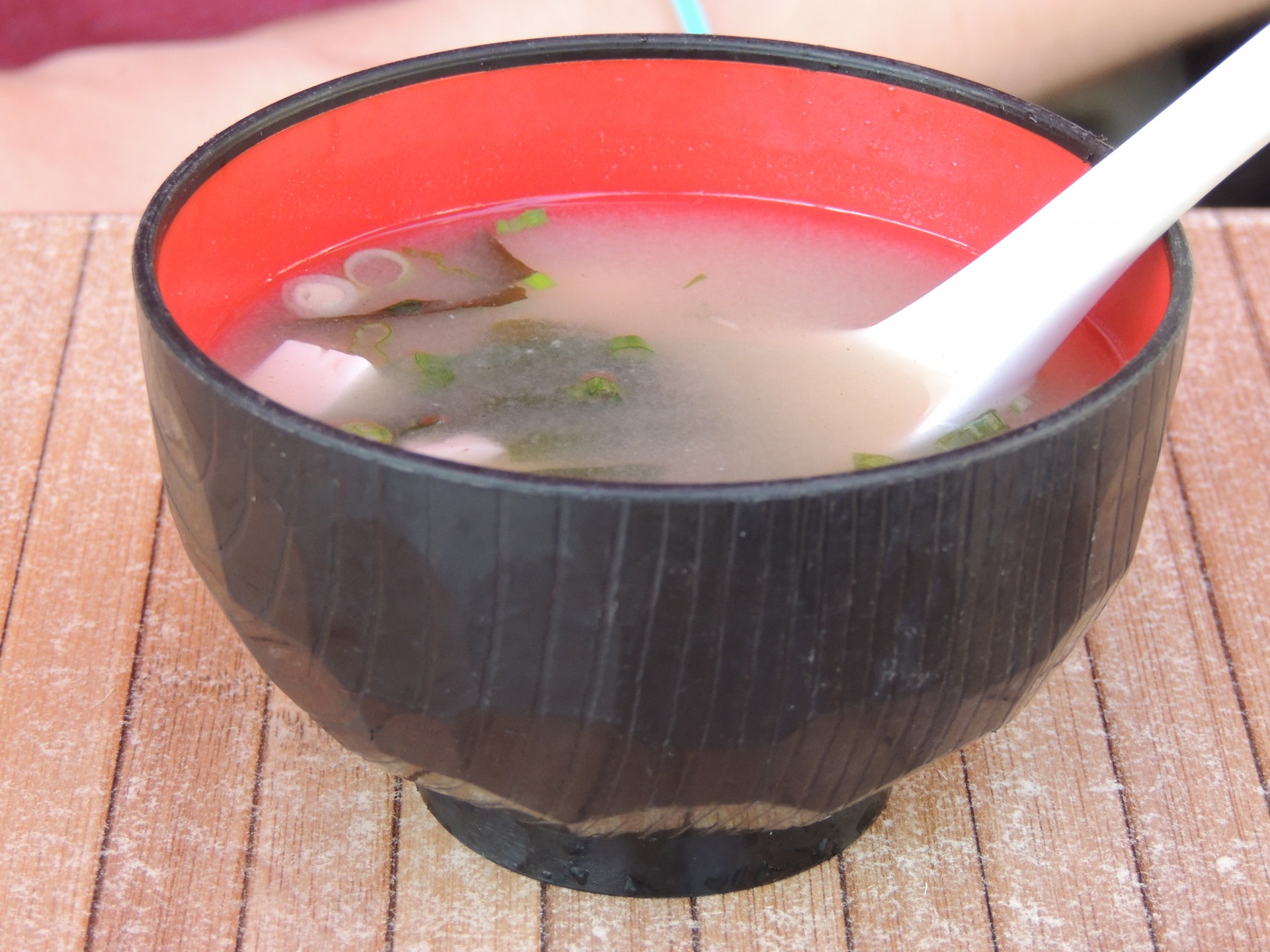
  • Japanese Miso Soup Recipe

    Japanese Miso Soup Recipe

    Introduction:

    Japanese Miso Soup is a traditional and flavorful dish that has been enjoyed for centuries in Japan. This comforting soup is packed with umami-rich miso flavor and hearty vegetables, making it a perfect choice for a warm and nourishing meal. In this post, I will walk you through a delicious and easy-to-follow Japanese Miso Soup recipe that you can recreate in your own kitchen.

    Origin and History Of This Recipe:

    Japanese Miso Soup has a rich history that dates back to ancient times in Japan. Miso, a fermented soybean paste, is the star ingredient of this soup and has been used in Japanese cuisine for over 1,000 years. Originally used as a way to preserve food, miso soup has evolved into a beloved staple in Japanese cuisine, enjoyed for its savory and comforting flavors.

    Things To Expect In This Post Article:

    In this post, you can expect to find a detailed list of ingredients needed to make Japanese Miso Soup, step-by-step preparation instructions, cooking time and servings information, personal insights on the dish, nutritional information, health conditions that should avoid this soup, the benefits and disadvantages of the nutrients found in the soup, tips and tricks for making the soup, equipment needed, variations and substitutions, serving suggestions, storage and reheating instructions, and frequently asked questions.

    Ingredients List:

    • 4 cups of dashi (or vegetable broth for a vegetarian option)
    • 3 tablespoons of miso paste
    • 1 block of tofu, diced
    • 2 green onions, sliced
    • 1 cup of mushrooms, sliced
    • 1 sheet of nori (seaweed), cut into thin strips
    • Optional: 1 tablespoon of soy sauce for extra flavor

    Preparation Steps:

    1. In a pot, bring the dashi to a simmer over medium heat.
    2. In a small bowl, mix the miso paste with a ladle of hot dashi until smooth.
    3. Add the miso mixture back into the pot with the remaining dashi.
    4. Add the tofu, green onions, and mushrooms to the pot and simmer for 5-10 minutes.
    5. Serve the soup hot, garnished with nori strips and a drizzle of soy sauce if desired.

    Cooking Time & Servings:

    This Japanese Miso Soup recipe takes approximately 20 minutes to prepare and serves 4 people.

    Personal Touch:

    I have always found comfort in a warm bowl of Japanese Miso Soup, especially on chilly days. The combination of miso paste, tofu, and vegetables creates a depth of flavor that is truly satisfying. This soup has become a favorite in my household and is always a go-to when I need a quick and nourishing meal.

    Nutritional Information:

    Per serving, Japanese Miso Soup provides a good source of protein, fiber, vitamins, and minerals. It is a low-calorie and nutrient-dense dish that can be enjoyed as part of a balanced diet.

    Health Conditions And People To Avoid This:

    While Japanese Miso Soup is a healthy and flavorful dish, individuals who are sensitive to soy or have a soy allergy should avoid this soup. Additionally, those with high blood pressure or kidney issues should consume miso in moderation due to its high sodium content.

    Nutrition and Benefits To The Body:

    Miso paste is rich in probiotics, which are beneficial for gut health and digestion. Tofu provides a good source of plant-based protein, while vegetables like mushrooms and green onions add vitamins and antioxidants to the soup.

    Disadvantages:

    While miso soup is nutritious, consuming excessive amounts of miso paste can lead to an increase in sodium intake, which may be harmful to individuals with certain health conditions. Eating miso soup in moderation is key to reaping its health benefits.

    Tips and Tricks:

    For a heartier version of Japanese Miso Soup, consider adding cooked noodles or rice to the broth. You can also experiment with different types of miso paste for varying flavors, such as white miso or red miso. Adjust the amount of miso paste to suit your taste preferences.

    Equipment Needed:

    To prepare Japanese Miso Soup, you will need a medium-sized pot, a ladle, a small bowl for mixing the miso paste, a knife for chopping vegetables, and soup bowls for serving.

    Variations or Substitutions:

    For a gluten-free version of Japanese Miso Soup, use gluten-free miso paste and tamari instead of soy sauce. You can also customize the soup by adding your favorite vegetables, such as spinach, cabbage, or carrots. Feel free to substitute firm tofu with silken tofu for a creamier texture.

    Serving Suggestions:

    Serve Japanese Miso Soup hot in individual bowls, garnished with nori strips and a sprinkle of sesame seeds. Pair the soup with steamed rice or a side salad for a complete meal. Enjoy this comforting dish as a starter or as a light main course.

    Storage and Reheating Instructions:

    Leftover Japanese Miso Soup can be stored in an airtight container in the refrigerator for up to 3 days. To reheat, simply warm the soup on the stovetop over low heat, stirring occasionally until heated through. Avoid boiling the soup as this may affect the flavor and texture.

    Conclusion:

    I hope you enjoy making and savoring this delicious Japanese Miso Soup recipe in the comfort of your own home. Share your culinary creations with friends and family, and don’t hesitate to experiment with different ingredients and flavors. Feel free to reach out with any questions or feedback, and happy cooking!

    Frequently Asked Questions (FAQs):

    Q: Can I use any type of miso paste for this recipe?
    A: Yes, you can use different varieties of miso paste, such as white, red, or mixed miso, depending on your flavor preference.

    Q: Is Japanese Miso Soup vegetarian-friendly?
    A: Yes, you can use vegetable broth instead of dashi to make this soup vegetarian-friendly.

    Q: Can I freeze Japanese Miso Soup for later?
    A: While you can freeze the soup, the texture of the tofu may change upon thawing. It’s best to enjoy the soup fresh for optimal taste.

    Q: What are the health benefits of miso paste?
    A: Miso paste is rich in probiotics, which promote gut health and digestion. It also provides essential vitamins and minerals.

    Q: Is miso soup high in sodium?
    A: Miso paste is naturally high in sodium, so it’s important to consume it in moderation, especially for individuals with certain health conditions.

    Q: Can I add meat or seafood to Japanese Miso Soup?
    A: Yes, you can add cooked meat, seafood, or tofu to enhance the protein content of the soup and add depth of flavor.

    Q: What are some common side dishes to serve with Japanese Miso Soup?
    A: Steamed rice, pickled vegetables, or a simple seaweed salad are popular side dishes to accompany Japanese Miso Soup.

  • Moroccan Couscous with Seven Vegetables Recipe

    Moroccan Couscous with Seven Vegetables Recipe

    Introduction:

    Welcome to a flavorful journey with our Moroccan Couscous with Seven Vegetables Recipe! This traditional dish is bursting with aromatic spices and wholesome ingredients that will transport you straight to the bustling markets of Morocco. Whether you’re a seasoned cook or a culinary novice, this recipe is sure to delight your taste buds and impress your family and friends.

    Origin and History Of This Recipe:

    The origins of Moroccan couscous date back to ancient Berber tribes who inhabited North Africa. Traditionally, couscous was prepared by hand-rolling semolina wheat into small, granular pellets. Over time, this dish has evolved to incorporate a variety of vegetables and spices, reflecting the rich cultural heritage of Morocco. Today, Moroccan couscous remains a staple in households across the region and is enjoyed for its hearty flavors and nourishing ingredients.

    Things To Expect In This Post Article:

    In this article, we will delve into the history and origin of Moroccan couscous, provide a detailed list of ingredients, offer step-by-step preparation instructions, share nutritional information, and discuss variations and serving suggestions. Additionally, we will highlight the health benefits of this dish and provide tips for making it even more delicious. Let’s get cooking!

    Ingredients List:

    • 1 cup of couscous
    • 1 onion, diced
    • 2 carrots, sliced
    • 1 zucchini, chopped
    • 1 bell pepper, diced
    • 1 cup of cherry tomatoes, halved
    • 1 cup of chickpeas, drained and rinsed
    • 2 cloves of garlic, minced
    • 1 tsp of cumin
    • 1 tsp of paprika
    • 1/2 tsp of turmeric
    • Salt and pepper to taste
    • Fresh parsley for garnish

    Preparation Steps:

    1. In a large pot, heat some olive oil over medium heat and sauté the onion and garlic until fragrant.
    2. Add the carrots, zucchini, bell pepper, cherry tomatoes, and chickpeas to the pot, stirring occasionally until the vegetables are tender.
    3. Add the cumin, paprika, turmeric, salt, and pepper to the pot, mixing well to combine the flavors.
    4. Prepare the couscous according to package instructions and fluff with a fork.
    5. Serve the vegetable mixture over the couscous and garnish with fresh parsley. Enjoy!

    Cooking Time & Servings:

    This recipe takes approximately 30 minutes to prepare and serves 4 people.

    Personal Touch:

    Growing up, Moroccan couscous was a dish that brought my family together around the dinner table. The vibrant colors and fragrant spices always made mealtime feel special, and I love sharing this recipe with others to evoke those same feelings of warmth and togetherness.

    Nutritional Information:

    Per serving, this dish provides a healthy balance of carbohydrates, protein, and fiber. It is also rich in vitamins and minerals, making it a nourishing meal for the whole family.

    Health Conditions And People To Avoid This:

    While Moroccan couscous is a nutritious dish, individuals with gluten sensitivities should exercise caution due to the couscous base. Additionally, those with legume allergies should avoid dishes containing chickpeas.

    Nutrition and Benefits To The Body:

    Couscous is a good source of carbohydrates and provides a steady source of energy. The vegetables in this dish are packed with vitamins and minerals that support overall health and wellbeing. The combination of ingredients offers a well-rounded meal that is both satisfying and nutritious.

    Disadvantages:

    While couscous and vegetables are highly nutritious, it is important to monitor portion sizes and balance this dish with other food groups to ensure a well-rounded diet. Eating excessively may lead to an imbalance in nutrient intake.

    Tips and Tricks:

    To enhance the flavor of this dish, consider adding a squeeze of lemon juice or a dollop of Greek yogurt. You can also customize the vegetable selection based on personal preferences or seasonal availability.

    Equipment Needed:

    For this recipe, you will need a large pot, a cutting board, a knife, and a fork for fluffing the couscous.

    Variations or Substitutions:

    Feel free to experiment with different vegetables such as eggplant, squash, or spinach to create a unique flavor profile. You can also substitute quinoa or rice for the couscous for a gluten-free alternative.

    Serving Suggestions:

    Serve the Moroccan couscous with a side of hummus, pita bread, or a fresh green salad for a complete meal. Garnish with sliced almonds or a drizzle of olive oil for added texture and flavor.

    Storage and Reheating Instructions:

    Store any leftovers in an airtight container in the refrigerator for up to 3 days. To reheat, simply microwave or heat on the stovetop until warmed through.

    Conclusion:

    We hope you enjoy preparing and savoring this Moroccan Couscous with Seven Vegetables Recipe as much as we do. Don’t be afraid to get creative in the kitchen and tailor this dish to your unique tastes. Share your culinary creations with us on social media and let us know how you put your own spin on this classic recipe. Happy cooking!

    Frequently Asked Questions (FAQs):

    Q: Can I use instant couscous for this recipe?
    A: Yes, instant couscous can be used for a quicker cooking time. Simply follow the package instructions for preparation.

    Q: Are there any other spices I can add to enhance the flavor?
    A: Absolutely! Feel free to experiment with spices like cinnamon, coriander, or saffron for a more exotic taste.

    Q: Can I use canned vegetables instead of fresh ones?
    A: While fresh vegetables are recommended for optimal flavor and texture, canned vegetables can be used as a convenient alternative.

    Q: Is Moroccan couscous a gluten-free dish?
    A: Traditional couscous is not gluten-free, but you can easily swap it out for gluten-free alternatives like quinoa or rice.

    Q: How can I make this dish spicier?
    A: Add a pinch of red pepper flakes or a sprinkle of chili powder to kick up the heat in this dish. Adjust to taste.

  • Scottish Haggis Recipe

    Scottish Haggis Recipe

    Introduction:

    Welcome to the world of Scottish cuisine with our delicious Scottish Haggis Recipe. This iconic dish is a savory delight that captures the essence of Scotland’s rich culinary heritage. Whether you’re a seasoned foodie or looking to expand your gastronomic horizons, this recipe is sure to impress with its unique flavors and hearty goodness.

    Origin and History Of This Recipe:

    The Scottish Haggis has deep roots in Scottish culture and tradition. Dating back to the 15th century, haggis was originally a frugal dish made with humble ingredients like offal, oats, and spices. Today, haggis has evolved into a beloved national dish that is often enjoyed during festive occasions such as Burns Night. Its distinct blend of savory flavors and rich texture has made it a staple on Scottish tables for centuries.

    Things To Expect In This Post Article:

    In this post, we will dive into the origins and history of the Scottish Haggis Recipe, explore the unique ingredients that give it its signature taste, and provide you with step-by-step instructions on how to recreate this classic dish at home. Whether you’re a haggis enthusiast or a curious foodie, this post is packed with information and tips to help you master the art of making traditional Scottish haggis.

    Ingredients List:

    • Sheep’s pluck (heart, liver, and lungs)
    • Oats
    • Onions
    • Seasonings (salt, pepper, nutmeg)
    • Beef suet (optional)
    • Stock
    • Casings (for stuffing)

    Preparation Steps:

    1. Clean and prepare the sheep’s pluck by removing any excess fat or membranes.
    2. Cook the oats in boiling water until they are soft and mushy.
    3. Chop the onions and sauté them in a pan until they are translucent.
    4. Combine the cooked oats, sautéed onions, seasonings, and beef suet in a mixing bowl.
    5. Stuff the mixture into the cleaned casings and tie the ends securely.
    6. Place the haggis in a pot of simmering stock and cook for several hours until it is fully cooked and firm.
    7. Serve hot with neeps (turnips) and tatties (potatoes) for a traditional Scottish meal.

    Cooking Time & Servings:

    The Scottish Haggis Recipe typically takes around 3-4 hours to cook and serves 4-6 people. It’s a hearty dish that is perfect for sharing with family and friends during special occasions.

    Personal Touch:

    Growing up in Scotland, haggis was always a special treat for me during family gatherings. The rich flavors and comforting aroma of a freshly cooked haggis never fail to remind me of home. I hope this recipe brings a taste of traditional Scottish cuisine to your kitchen and creates lasting memories for you and your loved ones.

    Nutritional Information:

    Per serving, Scottish Haggis provides a good source of protein, iron, and essential vitamins and minerals. It’s a hearty meal that can fuel your body and satisfy your taste buds.

    Health Conditions And People To Avoid This:

    People with allergies to offal, oats, or certain spices should avoid consuming haggis. Additionally, individuals with kidney or liver conditions should consult their healthcare provider before eating haggis due to its high organ meat content.

    Nutrition and Benefits To The Body:

    Sheep’s pluck is rich in iron and vitamin B12, which are essential for healthy red blood cell production and nerve function. Oats provide fiber and energy, while onions and seasonings add antioxidants and flavor to the dish. Eating haggis in moderation can support overall health and well-being.

    Disadvantages:

    Consuming excess fats from beef suet in haggis may contribute to high cholesterol levels and heart disease. It is important to enjoy haggis in moderation as part of a balanced diet.

    Tips and Tricks:

    • To enhance the flavor of the haggis, consider adding a splash of whisky to the cooking stock.
    • For a lighter version, you can use lean meats like lamb or turkey instead of sheep’s pluck.
    • Experiment with different seasonings and spices to customize the taste of your haggis to suit your preferences.

    Equipment Needed:

    • Cutting board and knife
    • Mixing bowl
    • Sauté pan
    • Cooking pot
    • Casings for stuffing
    • Kitchen twine

    Variations or Substitutions:

    For a vegetarian version of haggis, you can substitute the sheep’s pluck with mushrooms, lentils, and nuts for a flavorful and meat-free alternative. Additionally, you can customize the seasonings and spices to create a haggis that suits your dietary preferences.

    Serving Suggestions:

    Serve the Scottish Haggis Recipe with neeps (mashed turnips) and tatties (mashed potatoes) for a traditional Scottish meal. Garnish with a drizzle of whisky sauce or gravy for added flavor and enjoyment.

    Storage and Reheating Instructions:

    Store any leftover haggis in an airtight container in the refrigerator for up to 3 days. Reheat in the microwave or oven until heated through before serving for the best taste and texture.

    Conclusion:

    We hope you enjoyed exploring the world of Scottish cuisine with our Scottish Haggis Recipe. Give it a try in your kitchen and experience the unique flavors and traditions that make haggis a beloved dish in Scotland. Share your creations with us on social media and let us know how your haggis turned out. Happy cooking!

    Frequently Asked Questions (FAQs):

    Q: Can I make haggis without the casings?
    A: Yes, you can cook the haggis mixture as a loose filling in a baking dish or casserole instead of using casings.

    Q: Are there any vegetarian alternatives to haggis?
    A: Yes, you can make a vegetarian haggis with a blend of mushrooms, lentils, and oats for a meat-free version of this classic dish.

    Q: Can I freeze haggis for later use?
    A: Yes, you can freeze cooked haggis in an airtight container for up to 3 months. Thaw and reheat before serving.

    Q: Is haggis gluten-free?
    A: Traditional haggis contains oats, which may not be suitable for individuals with gluten sensitivities. Consider using gluten-free oats for a gluten-free version of haggis.

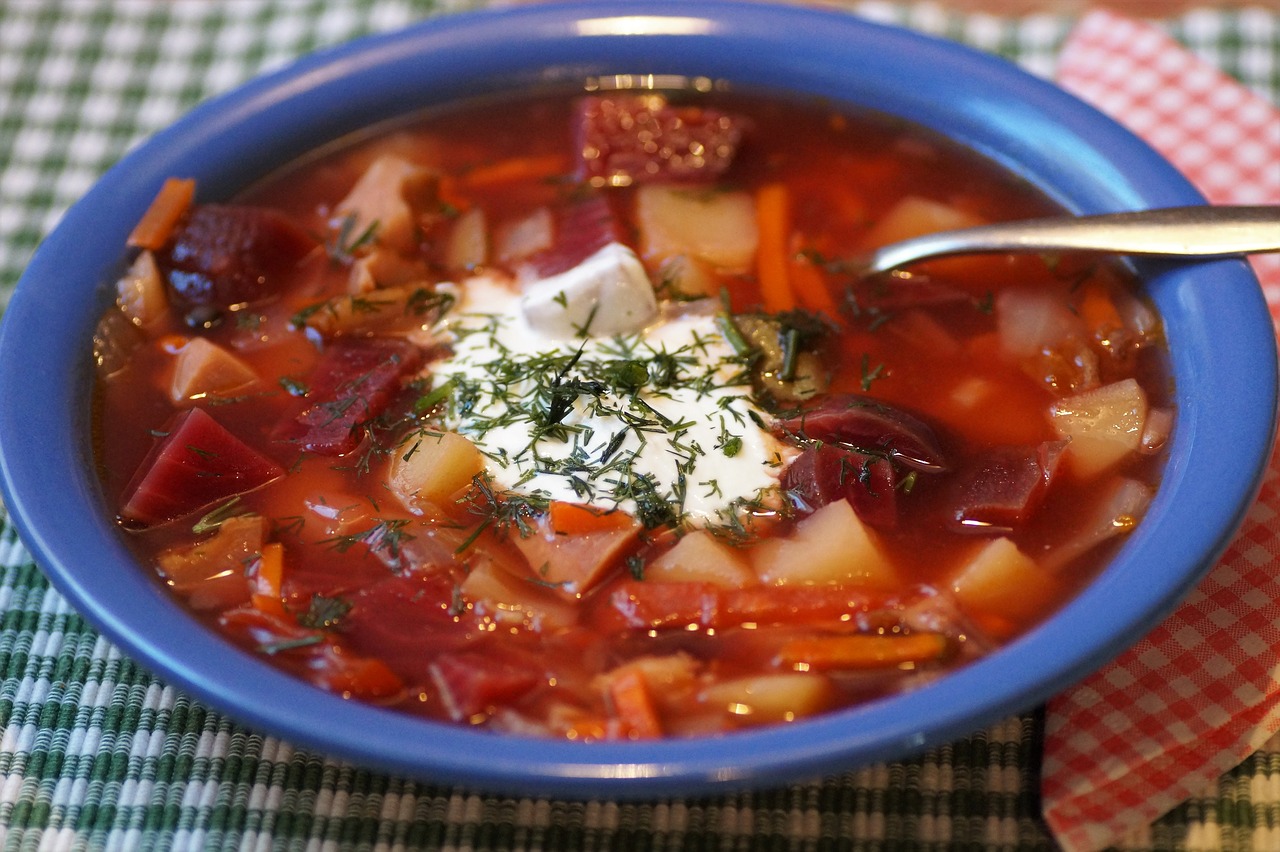
  • Russian Borscht Recipe

    Russian Borscht Recipe

    Are you ready to discover the deliciousness of Russian Borscht? This traditional dish is packed with flavor and history, making it a must-try for any food enthusiast. Let’s dive into the origins, ingredients, preparation steps, and more in this comprehensive guide to making the perfect Russian Borscht Recipe.

    Origin and History Of This Recipe:

    Russian Borscht has its roots in Eastern European cuisine, with variations found in countries like Ukraine, Poland, and Russia. This hearty soup is known for its vibrant color, thanks to the beets used as a primary ingredient. The history of Borscht dates back centuries, with each region adding its own unique twist to the recipe. From peasant food to a staple in Russian households, Borscht has stood the test of time as a beloved comfort dish.

    Things To Expect In This Post Article:

    In this post, we will explore the traditional Russian Borscht Recipe, highlighting its rich flavors, nutritional value, and cultural significance. From a detailed ingredients list to step-by-step cooking instructions and serving suggestions, you’ll find everything you need to recreate this classic dish in your own kitchen.

    Ingredients List:

    • Beets
    • Cabbage
    • Carrots
    • Potatoes
    • Onion
    • Garlic
    • Beef broth
    • Tomato paste
    • Bay leaves
    • Fresh dill
    • Sour cream (for garnish)
    • Salt and pepper to taste

    Preparation Steps:

    1. Start by sautéing the onions and garlic in a large pot until softened.
    2. Add the beef broth, tomato paste, and bay leaves to the pot and bring to a simmer.
    3. Add the beets, carrots, and potatoes, and cook until vegetables are tender.
    4. Stir in the cabbage and simmer until all vegetables are cooked through.
    5. Season with salt, pepper, and fresh dill before serving with a dollop of sour cream.

    Cooking Time & Servings:

    This Russian Borscht Recipe takes approximately 1.5 hours to prepare and cook, yielding 6-8 servings.

    Personal Touch:

    Growing up, my grandmother would always make Russian Borscht for our family gatherings. The aroma of beets and dill filling the kitchen brings back fond memories of those special moments shared around the dinner table. I hope this recipe brings you as much joy as it has brought me over the years.

    Nutritional Information:

    Each serving of Russian Borscht provides a healthy dose of vitamins, minerals, and antioxidants. Beets are rich in fiber, folate, and potassium, while cabbage is a great source of vitamin C and K. This dish is a nutritious and delicious way to nourish your body.

    Health Conditions And People To Avoid This:

    Unfortunately, individuals with a history of kidney stones or urinary issues should avoid consuming excessive beets, as they are high in oxalates. If you have any concerns about how Borscht may affect your health, consult with a healthcare professional before adding it to your diet.

    Nutrition and Benefits To The Body:

    The nutritional content of Russian Borscht provides a well-rounded meal that can support overall health and wellbeing. From boosting immunity to aiding digestion, this dish offers a range of benefits for your body.

    Disadvantages:

    While the nutrients in Borscht are beneficial, excessive consumption of certain ingredients like beets or sour cream can lead to negative health effects. Eating in moderation is key to enjoying this dish without any drawbacks.

    Tips and Tricks:

    For a vegetarian twist, you can easily substitute the beef broth with vegetable broth and omit the meat for a meatless version of Russian Borscht. You can also add a splash of vinegar or lemon juice for a tangy kick to the soup.

    Equipment Needed:

    To make Russian Borscht, you will need a large pot, cutting board, knife, stirring spoon, and ladle. These basic kitchen tools will help you successfully prepare this flavorful dish.

    Variations or Substitutions:

    Feel free to customize your Russian Borscht with additional ingredients like kidney beans, bell peppers, or smoked sausage for added depth of flavor. You can also swap out the sour cream for Greek yogurt for a healthier twist.

    Serving Suggestions:

    Serve your Russian Borscht with a side of crusty bread or piroshki for a complete meal. Garnish with extra fresh dill and a dollop of sour cream for a beautiful presentation.

    Storage and Reheating Instructions:

    Store any leftovers of Russian Borscht in an airtight container in the refrigerator for up to 3 days. To reheat, simply warm the soup on the stovetop over low heat until heated through.

    Conclusion:

    We hope you enjoy making and savoring the flavors of Russian Borscht with this detailed recipe guide. Don’t forget to share your cooking experiences with us and spread the love for this classic dish. Happy cooking!

    Frequently Asked Question (FAQs):

    Q: Can I make Russian Borscht ahead of time?
    A: Yes, Russian Borscht can be made ahead of time and stored in the refrigerator for easy reheating later.

    Q: Is it necessary to use beef broth in this recipe?
    A: While beef broth adds a rich flavor to the soup, you can substitute it with vegetable broth for a vegetarian version.

    Q: How long will Russian Borscht last in the fridge?
    A: Russian Borscht can be stored in the refrigerator for up to 3 days. Just make sure to reheat it thoroughly before serving.

    Q: Can I freeze Russian Borscht?
    A: Yes, you can freeze Russian Borscht for up to 3 months. Just thaw it in the fridge before reheating.

    Q: Can I add other vegetables to this recipe?
    A: Absolutely! Feel free to customize your Russian Borscht with your favorite vegetables for a unique twist on this classic dish.

  • Indian Chicken Biryani Recipe

    Indian Chicken Biryani Recipe

    When it comes to delicious and flavorful Indian cuisine, few dishes can compare to the classic and beloved Indian Chicken Biryani. This traditional dish is a perfect blend of fragrant spices, tender chicken, and aromatic basmati rice, creating a mouthwatering and satisfying meal that is sure to please your taste buds.

    Origin and History Of This Recipe

    The origins of Indian Chicken Biryani can be traced back to the Mughal Empire, where it was believed to have been created as a royal dish for the rulers of India. Over time, this dish has evolved and adapted to different regions and cultures, resulting in various regional variations and styles of preparation.

    Things To Expect In This Post Article

    In this post, we will be discussing the rich history and origins of Indian Chicken Biryani, providing a detailed list of ingredients, step-by-step preparation instructions, cooking time and servings, personal insights, nutritional information, health conditions to consider, benefits to the body, disadvantages of certain nutrients, tips and tricks for enhancing the recipe, necessary equipment, variations or substitutions, serving suggestions, storage and reheating instructions, and frequently asked questions with detailed answers.

    Ingredients List

    • 2 cups basmati rice
    • 1 lb chicken, cut into pieces
    • 1 large onion, thinly sliced
    • 2 tomatoes, chopped
    • 1/2 cup plain yogurt
    • 2 tablespoons ginger-garlic paste
    • 1 tablespoon biryani masala
    • 1 teaspoon turmeric powder
    • 1 teaspoon red chili powder
    • 1/2 teaspoon garam masala
    • Salt to taste
    • Fresh cilantro and mint leaves for garnish
    • Ghee or vegetable oil for cooking

    Preparation Steps

    1. Rinse the basmati rice until the water runs clear, then soak it in water for 30 minutes.
    2. In a large pot, heat ghee or oil and sauté the sliced onions until golden brown.
    3. Add the ginger-garlic paste and stir for a minute, then add the tomatoes and cook until they soften.
    4. Add the chicken pieces and cook until they are no longer pink.
    5. Mix in the yogurt, biryani masala, turmeric powder, red chili powder, garam masala, and salt. Cook for a few minutes.
    6. Drain the soaked rice and add it to the pot, stirring gently to combine with the chicken and spices.
    7. Pour water over the rice, cover the pot, and cook until the rice is tender and the chicken is cooked through.
    8. Garnish with fresh cilantro and mint leaves before serving.

    Cooking Time & Servings

    The total cooking time for this Indian Chicken Biryani recipe is approximately 1 hour, and it serves 4-6 people.

    Personal Touch

    Growing up in India, Chicken Biryani was a staple at family gatherings and celebrations. The aroma of spices filling the air as the dish cooked slowly on the stove is a memory I will always cherish. This recipe brings me back to those special moments and allows me to share the flavors of my childhood with others.

    Nutritional Information

    • Calories: 380
    • Protein: 25g
    • Carbohydrates: 45g
    • Fat: 10g
    • Fiber: 2g

    Health Conditions And People To Avoid This

    While Indian Chicken Biryani is a delicious and flavorful dish, it may not be suitable for individuals with certain health conditions such as celiac disease (gluten intolerance) or lactose intolerance due to the presence of wheat-based biryani masala and yogurt. It is also high in sodium, so individuals with hypertension or heart conditions should consume it in moderation.

    Nutrition and Benefits To The Body

    The combination of chicken, rice, and spices in Indian Chicken Biryani provides a good source of protein, carbohydrates, vitamins, and minerals. The spices used in the dish, such as turmeric and red chili powder, offer antioxidant and anti-inflammatory properties, which can benefit overall health and well-being.

    Disadvantages

    While Indian Chicken Biryani is a flavorful and satisfying dish, it can be high in calories and fat due to the use of ghee and oils in cooking. Excess consumption of this dish may contribute to weight gain and other health issues, so it’s essential to enjoy it in moderation.

    Tips and Tricks

    • For a healthier version of Indian Chicken Biryani, use brown rice instead of basmati rice and Greek yogurt instead of regular yogurt.
    • Adding a squeeze of lemon juice before serving can enhance the flavors of the dish.
    • Marinating the chicken in yogurt and spices overnight can help tenderize the meat and infuse it with more flavor.

    Equipment Needed

    • Large pot
    • Wooden spoon
    • Cutting board
    • Knife
    • Measuring cups and spoons
    • Serving platter

    Variations or Substitutions

    • Vegetarian option: Replace chicken with mixed vegetables or paneer for a vegetarian version of Biryani.
    • Spices: Customize the spice level to your preference by adjusting the amount of red chili powder and biryani masala used.
    • Gluten-free option: Use a gluten-free biryani masala blend and ensure all ingredients are gluten-free for a celiac-friendly version of the dish.

    Serving Suggestions

    Indian Chicken Biryani pairs well with raita (yogurt sauce), pickle, and papadum for a complete and satisfying meal. Serve it with a side of salad or grilled vegetables for added freshness and texture.

    Storage and Reheating Instructions

    Store any leftovers of Indian Chicken Biryani in an airtight container in the refrigerator for up to 3 days. To reheat, simply microwave individual portions or reheat on the stovetop with a splash of water to prevent drying out.

    Conclusion

    I hope this detailed and informative post on Indian Chicken Biryani has inspired you to try making this delicious dish at home. The rich history, flavorful ingredients, and aromatic spices come together to create a truly memorable culinary experience. Don’t hesitate to share your feedback, questions, or variations of the recipe with me in the comments below. Enjoy cooking and savoring this flavorful Indian classic!

    Frequently Asked Questions (FAQs)

    Q: Can I use a different type of rice for Indian Chicken Biryani?
    A: While basmati rice is traditionally used for Biryani, you can substitute with long-grain rice if needed. Just adjust the cooking time and water ratio accordingly.

    Q: Is Indian Chicken Biryani spicy?
    A: The level of spiciness in Biryani can be adjusted to your preference by adding more or less red chili powder and biryani masala.

    Q: Can I make Indian Chicken Biryani in a slow cooker?
    A: Yes, you can adapt this recipe for a slow cooker by adjusting the cooking time and liquid ratios. Follow the same steps for preparing the ingredients before transferring them to the slow cooker.

    Q: What can I serve with Indian Chicken Biryani?
    A: Raita, pickle, and papadum are popular accompaniments to Biryani. You can also serve it with salad, grilled vegetables, or a side of yogurt sauce for a complete meal.

    Q: How long can I store leftover Indian Chicken Biryani?
    A: Leftover Biryani can be stored in the refrigerator for up to 3 days in an airtight container. Reheat before serving for the best taste and texture.

    Q: Can I freeze Indian Chicken Biryani?
    A: Yes, you can freeze Biryani for up to 3 months in a freezer-safe container. Thaw in the refrigerator overnight before reheating.

    Q: What makes Indian Chicken Biryani different from other rice dishes?
    A: The unique blend of spices, tender chicken, and fragrant basmati rice sets Biryani apart from other rice dishes. The slow cooking method allows the flavors to meld and develop, creating a rich and aromatic dish.

    Q: Can I make Indian Chicken Biryani without yogurt?
    A: While yogurt adds a creamy texture and tangy flavor to Biryani, you can omit it or substitute with coconut milk for a dairy-free version of the dish.

    Q: What should I do if my Biryani turns out too dry?
    A: To prevent dry Biryani, make sure to add enough water when cooking the rice and chicken. You can also drizzle some ghee or oil over the dish before serving to add moisture and richness.

    Q: Can I make Indian Chicken Biryani in advance?
    A: Yes, you can prepare the components of Biryani in advance and assemble them when ready to cook. This can help save time and make meal prepping easier.

    Remember, SEO optimization involves incorporating relevant keywords, meta descriptions, alt text for images, and internal and external links to improve the visibility and ranking of your post on search engines. By following this recipe post format, you can create a valuable and engaging piece of content that will attract readers and enhance your online presence. Happy cooking!

  • Australian Vegemite Toast Recipe

    Australian Vegemite Toast Recipe

    Introduction:

    Are you looking for a savory and uniquely Australian breakfast or snack? Look no further than the delicious “Australian Vegemite Toast Recipe”. This iconic dish is a staple in Australian households, loved for its bold flavors and simple preparation. In this post, we will explore the history, ingredients, preparation steps, nutritional information, and more for this classic recipe.

    Origin and History Of This Recipe:

    The “Australian Vegemite Toast Recipe” has its roots in Australia, where Vegemite was first introduced in the 1920s. Vegemite is a yeast extract spread that is rich in B vitamins and has a salty, umami flavor. It quickly became a popular spread for toast, with the simple combination of Vegemite and butter creating a flavorful and satisfying snack or meal.

    Things To Expect In This Post Article:

    In this post, we will cover the ingredients needed for the “Australian Vegemite Toast Recipe”, step-by-step preparation instructions, cooking time, servings, personal anecdotes, nutritional information, health conditions to consider, benefits to the body, disadvantages, tips and tricks, equipment needed, variations or substitutions, serving suggestions, storage and reheating instructions, and FAQs.

    Ingredients List:

    • Sliced bread
    • Butter
    • Vegemite spread

    Preparation Steps:

    1. Toast the bread until golden brown.
    2. Spread a generous amount of butter on the warm toast.
    3. Spread a thin layer of Vegemite on top of the butter.
    4. Enjoy your Australian Vegemite toast!

    Cooking Time & Servings:

    The “Australian Vegemite Toast Recipe” takes only a few minutes to prepare and serves one person.

    Personal Touch:

    Growing up in Australia, Vegemite toast was a morning ritual in my household. The combination of buttery toast and salty Vegemite was always a comforting and delicious way to start the day.

    Nutritional Information:

    Per serving, the “Australian Vegemite Toast Recipe” provides a good source of B vitamins and iron. It is low in fat and calories, making it a nutritious choice for a quick breakfast or snack.

    Health Conditions And People To Avoid This:

    People with gluten allergies or sensitivities should avoid this recipe, as well as those with yeast intolerances. Additionally, individuals with high blood pressure should consume Vegemite in moderation due to its high sodium content.

    Nutrition and Benefits To The Body:

    Vegemite is rich in B vitamins, which are essential for energy production and overall health. It also contains iron, which is important for red blood cell production and oxygen transport in the body.

    Disadvantages:

    Consuming excessive amounts of Vegemite can lead to an excessive intake of sodium, which may contribute to high blood pressure or other health issues. Eating in moderation is key to enjoying the benefits of Vegemite without the drawbacks.

    Tips and Tricks:

    For a twist on the classic recipe, try adding avocado slices or a sprinkle of cheese on top of your Vegemite toast. You can also experiment with different types of bread, such as sourdough or whole wheat.

    Equipment Needed:

    To make the “Australian Vegemite Toast Recipe”, all you need is a toaster and a butter knife for spreading the Vegemite and butter.

    Variations or Substitutions:

    For a vegan version of this recipe, you can use dairy-free butter or margarine. You can also try using different types of spreads, such as Marmite or Promite, for a slightly different flavor.

    Serving Suggestions:

    Serve your Vegemite toast with a side of fresh fruit or a cup of coffee for a balanced and satisfying meal. You can also enjoy it as a snack with a glass of milk or tea.

    Storage and Reheating Instructions:

    Leftover Vegemite toast can be stored in an airtight container in the refrigerator for up to two days. To reheat, simply toast the bread again until warm and crispy.

    Conclusion:

    Try making the “Australian Vegemite Toast Recipe” at home for a taste of Australia’s favorite breakfast or snack. Share your experience and feedback with us, and don’t forget to tag us on social media with your creations. We hope you enjoy this simple and delicious recipe!

    Frequently Asked Questions (FAQs):

    Q: Can I use a different type of bread for the Vegemite toast?
    A: Yes, feel free to use your favorite bread for this recipe, whether it’s white, whole wheat, or sourdough.

    Q: Is Vegemite toast suitable for vegetarians?
    A: Yes, Vegemite is a vegetarian-friendly spread that is made from yeast extract and does not contain any animal products.

    Q: Can I add other toppings to my Vegemite toast?
    A: Absolutely! Get creative with your toppings and try adding avocado, cheese, tomato slices, or even a fried egg on top of your Vegemite toast for added flavor.

    Q: How long can I keep Vegemite in my pantry?
    A: Vegemite has a long shelf life and can be stored in a cool, dry place for up to one year. Be sure to keep the jar tightly sealed between uses.

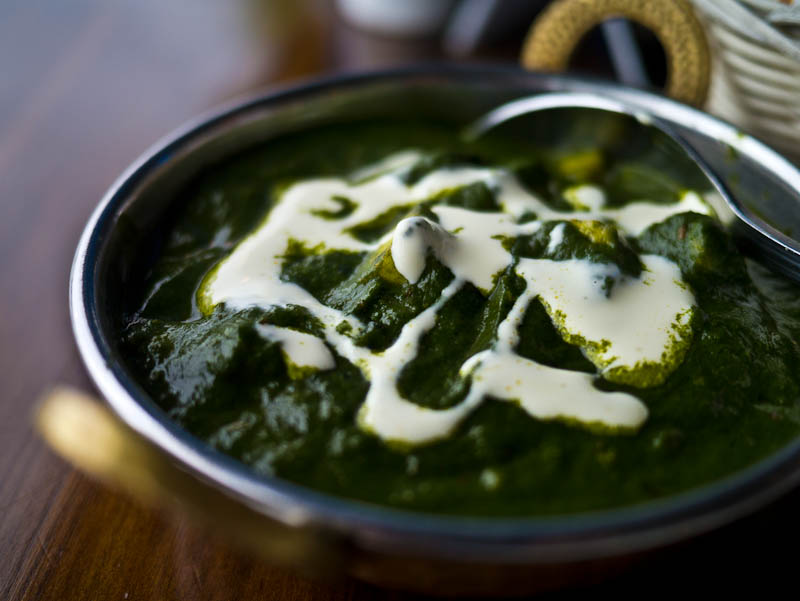
  • Indian Palak Paneer Recipe

    Indian Palak Paneer Recipe

    Introduction:

    Indian Palak Paneer Recipe is a popular and delicious spinach and paneer dish that originates from the northern regions of India. This creamy and flavorful recipe is a staple in many Indian households and is loved for its nutritious ingredients and rich taste. In this post, I will guide you through the process of making this traditional dish, sharing tips, tricks, and variations along the way.

    Origin and History Of This Recipe:

    Palak Paneer has its origins in North Indian cuisine, particularly in the regions of Punjab and Uttar Pradesh. The dish dates back centuries and is believed to have been created as a way to incorporate leafy greens like spinach into the diet. Paneer, a type of Indian cottage cheese, is added to the spinach curry to create a protein-rich and satisfying meal. Over time, Palak Paneer has become a beloved classic in Indian cuisine, enjoyed by people around the world for its unique flavors and health benefits.

    Things To Expect In This Article:

    • Detailed list of ingredients for making Indian Palak Paneer Recipe
    • Step-by-step preparation instructions
    • Cooking time and serving size details
    • Personal insights and experiences related to the recipe
    • Nutritional information per serving
    • Health conditions and individuals to avoid this dish
    • Nutritional benefits of the main ingredients
    • Disadvantages of excessive consumption
    • Tips and tricks for enhancing the recipe
    • Equipment needed for cooking
    • Variations and substitutions for dietary needs
    • Serving suggestions for presentation
    • Storage and reheating instructions
    • Conclusion with encouragement to try the recipe at home
    • FAQs for further clarification and guidance

    Ingredients List:

    • Fresh spinach leaves
    • Paneer (Indian cottage cheese)
    • Onion
    • Tomato
    • Ginger
    • Garlic
    • Green chilies
    • Cumin seeds
    • Garam masala
    • Turmeric powder
    • Coriander powder
    • Salt
    • Oil
    • Water

    Preparation Steps:

    1. Wash the spinach leaves thoroughly and blanch them in boiling water. Drain and blend into a smooth puree.
    2. In a pan, heat oil and add cumin seeds. Saute chopped onions, ginger, garlic, and green chilies until golden brown.
    3. Add chopped tomatoes, turmeric powder, coriander powder, and salt. Cook until the tomatoes are soft.
    4. Pour in the spinach puree and cook for a few minutes.
    5. Add cubed paneer and garam masala. Simmer for a few more minutes.
    6. Serve hot with rice or roti.

    Cooking Time & Servings:

    Preparation Time: 15 minutes
    Cooking Time: 30 minutes
    Total Time: 45 minutes
    Servings: 4

    Personal Touch:

    Growing up in a traditional Indian household, Palak Paneer was a dish that my family enjoyed regularly. The combination of creamy spinach and soft paneer always brought comfort and warmth to our meals. I have fond memories of watching my mother cook this dish with love and care, and I hope to share that same joy with you through this recipe.

    Nutritional Information:

    • Calories: 250 per serving
    • Protein: 12g
    • Carbohydrates: 15g
    • Fat: 18g
    • Fiber: 5g

    Health Conditions And People To Avoid This:

    Individuals with kidney stones, hyperkalemia, and thyroid disorders should avoid consuming Palak Paneer due to its high oxalate content.

    Nutrition and Benefits To The Body:

    Spinach is a rich source of iron, vitamin A, and fiber, while paneer provides protein and calcium. This dish helps in improving digestion, boosting immunity, and maintaining bone health.

    Disadvantages:

    Consuming excessive amounts of paneer can lead to weight gain and high cholesterol levels. It is important to consume this dish in moderation to avoid health risks.

    Tips and Tricks:

    • To make a vegan version, replace paneer with tofu or chickpeas.
    • Add a dollop of fresh cream for extra richness.
    • Toast paneer cubes before adding them to the curry for a smokier flavor.
    • Use frozen spinach if fresh is not available.

    Equipment Needed:

    • Blender
    • Pan
    • Cooking spoon
    • Knife
    • Cutting board

    Variations or Substitutions:

    • Use kale or mustard greens instead of spinach.
    • Add nuts like cashews or almonds for a creamy texture.
    • Substitute paneer with mushrooms for a vegetarian option.
    • For a dairy-free version, use coconut milk instead of paneer.

    Serving Suggestions:

    • Garnish with fresh coriander leaves and a squeeze of lemon juice.
    • Serve with hot roti or naan for a complete meal.
    • Pair with rice and raita for a wholesome Indian dinner.

    Storage and Reheating Instructions:

    Store leftovers in an airtight container in the refrigerator for up to 2 days. Reheat in a pan or microwave until heated through before serving.

    Conclusion:

    I hope this guide has inspired you to try making Indian Palak Paneer Recipe at home. The combination of nutritious spinach and protein-rich paneer creates a satisfying and flavorful dish that is sure to delight your taste buds. Remember to cook with love and enjoy every bite of this classic Indian recipe!

    Frequently Asked Question (FAQs):

    Q: Can I use frozen spinach for this recipe?
    A: Yes, you can use frozen spinach as a convenient alternative. Just thaw and blend before adding to the curry.

    Q: Can I make this dish ahead of time?
    A: Yes, you can prepare the curry in advance and reheat before serving. Add paneer just before serving for the best taste and texture.

    Q: Is Palak Paneer a healthy dish?
    A: Yes, Palak Paneer is a nutritious dish packed with vitamins, minerals, and protein. However, it should be consumed in moderation due to its high-fat content.

    Q: Can I freeze Palak Paneer?
    A: While you can freeze Palak Paneer, the texture of the spinach may change upon thawing. It’s best enjoyed fresh.

    Q: What can I serve with Palak Paneer?
    A: Palak Paneer pairs well with rice, roti, naan, or even quinoa for a complete meal.

    Remember, cooking is an art form that allows for creativity and personalization. Feel free to experiment with the recipe and make it your own. Enjoy the process of cooking and sharing this delicious Indian Palak Paneer with your loved ones!

  • Mexican Pozole Recipe

    Mexican Pozole Recipe

    Introduction:

    Indulge in the rich and flavorful world of Mexican cuisine with this delicious “Mexican Pozole Recipe”. This traditional dish is a staple in Mexican households, known for its hearty ingredients and bold flavors that will transport your taste buds to Mexico with each bite. Get ready to immerse yourself in a culinary experience like no other!

    Origin and History Of This Recipe:

    The origin of pozole dates back to pre-Columbian times when it was used in ceremonial rituals by the Aztecs. The name “pozole” means “foamy” in Nahuatl, referring to the foam that forms on the surface of the stew. Today, pozole is a beloved dish in Mexican culture, enjoyed during celebrations and holidays such as Christmas and Independence Day.

    Things To Expect In This Post Article:

    In this post, we will explore the traditional Mexican Pozole Recipe, providing a step-by-step guide to cooking this savory stew. From the list of ingredients to cooking tips and serving suggestions, this article has everything you need to create a memorable dining experience.

    Ingredients List:

    • 2 pounds of pork shoulder, cut into bite-sized pieces
    • 1 onion, chopped
    • 4 cloves of garlic, minced
    • 2 cans of hominy, drained
    • 2 dried guajillo chilies, stemmed and seeded
    • 2 dried ancho chilies, stemmed and seeded
    • 1 teaspoon of cumin
    • 1 teaspoon of oregano
    • Salt and pepper to taste

    Preparation Steps:

    1. In a large pot, brown the pork shoulder over medium heat until golden brown.
    2. Add the chopped onion and minced garlic, cooking until fragrant.
    3. Add the hominy, dried chilies, cumin, oregano, salt, and pepper to the pot.
    4. Cover the ingredients with water and bring to a boil, then lower the heat and simmer for about 2 hours until the pork is tender.
    5. Serve the pozole hot, garnished with your choice of toppings such as radishes, cilantro, lime, and shredded cabbage.

    Cooking Time & Servings:

    This “Mexican Pozole Recipe” takes approximately 2 hours to cook and serves 6-8 people, making it perfect for gatherings or meal prepping for the week.

    Personal Touch:

    Growing up in a Mexican household, pozole was a dish that brought our family together during celebrations and holidays. The aroma of the stew simmering on the stove always filled the house with warmth and comfort, creating cherished memories that I continue to carry with me to this day.

    Nutritional Information:

    Per serving, this Mexican Pozole Recipe provides a hearty dose of protein, fiber, and essential vitamins and minerals. It’s a satisfying meal that will keep you fueled and nourished.

    Health Conditions And People To Avoid This:

    Individuals with high blood pressure or cholesterol levels may want to enjoy pozole in moderation, as it can be high in sodium and fat content. Those with kidney issues should also be cautious due to the high protein content in the dish.

    Nutrition and Benefits To The Body:

    The pork in pozole provides a good source of protein, which is essential for muscle growth and repair. The hominy adds fiber to aid in digestion, while the chilies offer antioxidants that can boost metabolism and promote overall health.

    Disadvantages:

    While pozole can be a nutritious meal, excess consumption of fatty cuts of pork or high-sodium broth can lead to health issues such as weight gain and increased blood pressure. Eating in moderation is key to enjoying the benefits of this dish without compromising your health.

    Tips and Tricks:

    For a lighter version of pozole, opt for lean cuts of pork or substitute with chicken or turkey. You can also add fresh vegetables like zucchini or bell peppers for added nutrients and texture. Experiment with different chili varieties to customize the heat level to your preference.

    Equipment Needed:

    To prepare this Mexican Pozole Recipe, you will need a large pot, a sharp knife for chopping, and a cutting board. Having a blender or food processor on hand to blend the dried chilies into a paste will also be helpful in achieving the rich flavor profile of the stew.

    Variations or Substitutions:

    For a vegetarian-friendly alternative, omit the pork and use vegetable broth as the base for the stew. You can also add beans, corn, or other vegetables to customize the ingredients to suit your dietary preferences.

    Serving Suggestions:

    When serving pozole, offer a variety of toppings such as radishes, cilantro, lime wedges, shredded cabbage, and avocado. Pair it with warm tortillas or crusty bread for a complete meal that will delight your taste buds.

    Storage and Reheating Instructions:

    Leftover pozole can be stored in an airtight container in the refrigerator for up to 3 days. Reheat the stew on the stovetop over low heat, adding a splash of water if needed to prevent it from drying out.

    Conclusion:

    Experience the vibrant flavors of Mexico with this “Mexican Pozole Recipe” that will elevate your culinary skills and create lasting memories with loved ones. Embrace the rich history and tradition of this beloved dish, and savor each spoonful of this comforting stew.

    Frequently Asked Questions (FAQs):

    Q: Can I make pozole in advance and freeze it for later?
    A: Yes, pozole freezes well and can be stored in the freezer for up to 3 months. Simply defrost in the refrigerator overnight and reheat on the stovetop when ready to enjoy.

    Q: What is the best type of hominy to use for pozole?
    A: Canned hominy is the most convenient option for making pozole, but you can also use dried hominy if you prefer. Be sure to soak the dried hominy overnight before cooking to soften the kernels.

    Q: How spicy is pozole typically?
    A: The level of spiciness in pozole can vary depending on the type and quantity of chilies used. If you prefer a milder version, remove the seeds and membranes from the chilies before adding them to the stew.

    Q: Can I use beef or chicken instead of pork in pozole?
    A: Yes, you can easily substitute pork with beef, chicken, or turkey in pozole to suit your dietary preferences. Each protein will bring a unique flavor profile to the dish.

    Q: What are some traditional side dishes to serve with pozole?
    A: Traditional accompaniments to pozole include warm tortillas, Mexican rice, refried beans, and a fresh salsa or pico de gallo. These side dishes complement the flavors of the stew and enhance the dining experience.