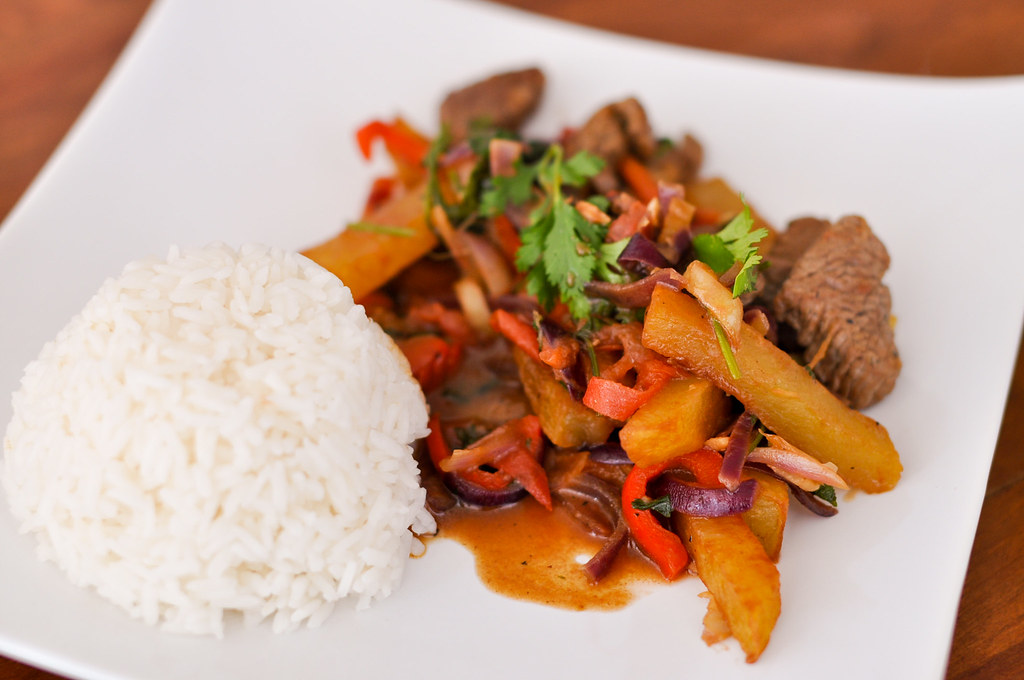
Category: Recipes

The “Recipes” category on our site is your go-to destination for mouthwatering culinary inspiration. From delicious appetizers and hearty main dishes to decadent desserts and refreshing beverages, this category features a wide variety of recipes to suit every taste and occasion. Whether you’re a seasoned chef looking for new ideas or a beginner looking to experiment in the kitchen, our collection of recipes will inspire you to get cooking and create delicious homemade meals for yourself, your family, and your friends. Explore our “Recipes” category and bring the joy of cooking into your home today!

  • Blueberry Muffins with Lemon Glaze Recipe

    Blueberry Muffins with Lemon Glaze Recipe

    Introduction: Blueberry Muffins with Lemon Glaze to Melt Your Heart

    Indulge in the irresistible aroma and tantalizing taste of our delectable Blueberry Muffins with Lemon Glaze. These mouthwatering muffins are a harmonious blend of fluffy blueberry batter and a tangy, sweet lemon glaze that will ignite your taste buds with delight. Originating in the quaint bakeries of Northern Europe, these muffins have captivated hearts worldwide with their enchanting flavors. Join us on an unforgettable culinary journey as we unveil the secrets of this classic breakfast treat.

    Origin and History of the Blueberry Muffins

    Blueberries, with their deep blue hue and bursting sweetness, have been a culinary treasure for centuries. Native to North America, these berries were initially used by indigenous tribes in medicinal remedies and traditional dishes. European colonists, enchanted by their unique flavor, brought blueberries back across the Atlantic, where they quickly gained popularity as a delectable breakfast fruit.

    The muffin, a beloved handheld bread, emerged during the Victorian era as a quick and easy tea-time snack. Originally made with coarse flour and filled with dried fruits or nuts, muffins have evolved over the years to encompass a myriad of flavors and textures. The combination of blueberries and muffins proved to be a match made in culinary heaven, resulting in the delectable treat we adore today.

    Personal Touch: My First Taste of Blueberry Muffins

    My first encounter with the Blueberry Muffin with Lemon Glaze occurred during a crisp autumn morning in my grandmother’s cozy kitchen. The air was thick with the sweet scent of cinnamon and nutmeg, and the kitchen table was laden with these freshly baked treats. As I bit into a warm muffin, its soft crumb melted in my mouth, while the burst of blueberries and the tangy lemon glaze danced upon my taste buds. From that moment on, I was hooked on this timeless culinary delight.

    Things to Expect in This Post

    In this comprehensive guide, we will delve into every aspect of the Blueberry Muffin with Lemon Glaze:

    • A detailed ingredients list and step-by-step instructions
    • Nutritional information and potential health benefits
    • Tips, tricks, and variations for a customized experience
    • Essential equipment, recommendations, and serving suggestions
    • Answers to frequently asked questions

    Ingredients List:

    • 1 1/2 cups all-purpose flour
    • 3/4 cup granulated sugar
    • 2 teaspoons baking powder
    • 1/2 teaspoon baking soda
    • 1/4 teaspoon salt
    • 1/2 cup (1 stick) unsalted butter, softened
    • 1 large egg
    • 1 cup buttermilk
    • 1 cup fresh or frozen blueberries

    Lemon Glaze Ingredients:

    • 3/4 cup confectioners’ sugar
    • 2 tablespoons lemon juice
    • 1/2 tablespoon milk
    • 1/4 teaspoon lemon zest (optional)

    Preparation Steps:

    1. Preheat the oven: Preheat your oven to 400 degrees Fahrenheit (200 degrees Celsius). Line a 12-cup muffin tin with muffin liners.
    2. Combine dry ingredients: In a large bowl, whisk together the flour, sugar, baking powder, baking soda, and salt.
    3. Cream together butter and sugar: In a separate bowl, cream together the softened butter and granulated sugar until light and fluffy.
    4. Add egg and buttermilk: Add the egg to the butter mixture and mix until combined. Gradually add the buttermilk, mixing until just combined. Do not overmix.
    5. Combine wet and dry ingredients: Add the wet ingredients to the dry ingredients and mix until just combined. Gently fold in the blueberries.
    6. Fill muffin cups: Divide the batter evenly among the prepared muffin cups, filling each cup almost to the top.
    7. Bake: Bake for 20-25 minutes, or until a toothpick inserted into the center of a muffin comes out clean.
    8. Cool: Let the muffins cool in the tin for 5 minutes before transferring them to a wire rack to cool completely.

    Lemon Glaze Preparation:

    1. Mix ingredients: In a small bowl, whisk together the confectioners’ sugar, lemon juice, milk, and lemon zest (if using).
    2. Adjust consistency: If the glaze is too thick, add more milk 1 teaspoon at a time. If it is too thin, add more confectioners’ sugar 1/4 cup at a time.

    Cooking Time & Servings:

    • Cooking time: 20-25 minutes
    • Servings: 12 muffins

    Nutritional Information:

    Per muffin (without glaze):

    • Calories: 200
    • Fat: 8 grams
    • Saturated fat: 5 grams
    • Cholesterol: 55 milligrams
    • Sodium: 200 milligrams
    • Carbohydrates: 30 grams
    • Protein: 4 grams

    Health Conditions and People to Avoid This

    Blueberries are generally considered safe for most people. However, individuals with certain health conditions should exercise caution when consuming blueberries:

    • Kidney stones: Blueberries contain oxalates, which can contribute to the formation of kidney stones in susceptible individuals.
    • Allergies: Although rare, some people may be allergic to blueberries and should avoid them.
    • Medications: Blueberries may interact with certain medications, such as blood thinners and diabetes medications. Consult your healthcare professional before consuming large amounts of blueberries if you are taking any medications.

    Nutrition and Benefits to the Body

    Blueberries are packed with essential vitamins, minerals, and antioxidants that offer numerous health benefits:

    • Antioxidant power: Blueberries are renowned for their high antioxidant content, which helps protect against cellular damage caused by free radicals.
    • Improved heart health: The antioxidants in blueberries have been linked to a reduced risk of heart disease by improving blood flow and reducing inflammation.
    • Neuroprotective properties: Blueberries contain compounds that may protect against neurodegenerative diseases, such as Alzheimer’s and Parkinson’s.
    • Immunity boost: Blueberries are a good source of vitamin C, which supports a healthy immune system.
    • Anti-inflammatory benefits: Blueberries contain compounds that have anti-inflammatory properties, which may be beneficial for various conditions, such as arthritis and inflammatory bowel disease.

    Disadvantages:

    Consuming too many blueberries may have certain drawbacks:

    • Stomach upset: Eating large amounts of blueberries may cause stomach upset, including diarrhea, due to their high fiber content.
    • Blood sugar spikes: Blueberries are relatively high in natural sugars, which can cause blood sugar spikes if consumed in excessive amounts.
    • Oxalates: As mentioned earlier, blueberries contain oxalates, which can contribute to kidney stone formation in susceptible individuals.

    Eating moderately is perfectly fine, but acquiring excess of this nutrients is harmful

    Tips and Tricks:

    • For a sweeter muffin, use ripe blueberries or add a tablespoon of honey to the batter.
    • For a crumblier muffin, do not overmix the batter.
    • To make gluten-free muffins, use gluten-free flour.
    • To make vegan muffins, use plant-based milk and butter substitutes.
    • For a muffin that packs a nutritional punch, add a handful of chopped nuts or seeds to the batter.

    Equipment Needed:

    • Mixing bowls (2)
    • Whisk
    • Muffin tin
    • Muffin liners
    • Wire rack

    Variations or Substitutions:

    • Instead of blueberries, you can use raspberries, cranberries, or blackberries.
    • For a lemon blueberry muffin, add 1/4 cup of lemon zest to the batter.
    • To create a streusel topping, combine 1/2 cup flour, 1/2 cup oats, 1/4 cup sugar, and 1/4 cup melted butter. Sprinkle the streusel over the batter before baking.

    Serving Suggestions:

    • Serve the muffins warm with butter, jam, or honey.
    • Pair the muffins with fresh fruit and yogurt for a healthy and delicious breakfast.
    • Wrap the muffins individually and freeze them for a quick and easy grab-and-go breakfast.

    Storage and Reheating Instructions:

    • Store: Store the muffins in an airtight container at room temperature for up to 3 days.
    • Reheat: To reheat the muffins, wrap them in aluminum foil and bake them at 350 degrees Fahrenheit (175 degrees Celsius) for 10-15 minutes, or until warmed through.

    Conclusion:

    Embark on a culinary adventure with our Blueberry Muffins with Lemon Glaze. Treat yourself to the perfect balance of sweet blueberries and tangy lemon glaze, baked into a fluffy and irresistible muffin. Experiment with our tips and variations to create a muffin that satis

  • Traditional French Style Absinthe Cocktail Ancient Recipe

    Traditional French Style Absinthe Cocktail Ancient Recipe

    Unlocking the Secrets ⁢of a Traditional french Style Absinthe ‌Cocktail: An Ancient Recipe

    Step back in time and discover the captivating allure of ​a⁣ traditional French-style absinthe cocktail. This isn’t your average green fairy concoction; this recipe ⁢harkens back⁤ to a​ bygone era, revealing a complex depth of flavor rarely experienced today. ​Prepare to be⁢ transported to the bohemian cafes of⁤ Belle Époque ‍Paris as you unlock the secrets‍ of this ancient recipe and create a truly memorable drinking experience.

    Personal Touch On This French Style Absinthe Cocktail

    My captivation with absinthe began ⁤with a dusty, leather-bound book I ⁢found ⁢in my grandmother’s attic. Inside, tucked amongst faded photographs and pressed flowers, was a recipe for an absinthe cocktail, written​ in elegant cursive.‍ The penciled notes on⁣ the margins hinted at clandestine gatherings and whispered conversations ⁤– a captivating glimpse into a world⁢ of artistic rebellion and forbidden pleasures. This recipe, slightly altered to ​suit modern⁤ tastes, is my attempt to recreate that magic.⁢ Although I’ve added⁤ my tweaks over the‌ years, I’ve tried my best to keep the original spirit intact.

    Origin and History Of This Recipe

    Absinthe’s history ⁤is intertwined with French culture and artistic​ movements. Originating ‍in the‌ late 18th century, it‌ quickly gained popularity among ‍artists and writers, becoming a symbol of both creativity and controversy. Its potent effects and enigmatic allure inspired‍ countless works of⁤ art and literature. The recipe itself evolved over time, with various versions emerging depending ‍on the region and the ⁤individual preferences of the distillers.While‍ pinpointing the‍ exact origins of this⁢ specific recipe is difficult due to its age and the ‍secretive nature of its early preparation, it’s influenced by​ the traditional methods ⁤employed in ‌the‍ absinthe-producing regions ​of⁤ France. ‍One thing is certain, it ‌was likely crafted to be a celebratory⁤ drink, enjoyed⁣ slowly and appreciated for its ⁢layered complexity.

    Ingredients List For French Style Absinthe Cocktail

    • 1 oz Absinthe (high-quality, ⁢reputable brand recommended)
    • 2 oz Ice cold water
    • 1 ​Sugar cube ⁢(or 1 teaspoon ⁣sugar)
    • 1 sprig fresh mint (optional, ⁤for⁤ garnish)
    • 1-2 dashes Angostura bitters ⁣(optional, for‌ a more complex flavor profile)

    Preparation Steps

    1. Prepare the Absinthe Fountain (optional ‌but traditional): If ⁤you’re ‌truly aiming for an authentic experience, locate an absinthe fountain. This special ⁣piece of equipment allows for the controlled dripping​ of ice-cold water, which gradually dilutes the absinthe and releases its aromatic compounds. If one is unavailable proceed to step two.
    2. Chill your glassware: Place a ‍ small coupe⁤ or‍ absinthe glass⁣ in the ⁢freezer for at least 15 minutes before preparing‌ the cocktail. A chilled vessel⁣ ensures that your cocktail remains perfectly‌ cool.‌ This enhances⁤ the sensory experience.
    3. Prepare your sugar: If⁢ using‌ a sugar cube,carefully place it on⁣ a perforated absinthe spoon (a special spoon designed for this ⁤purpose – but a regular spoon will do in a pinch). Position the spoon atop your‌ chilled glass. If using sugar already dissolved proceed ⁢to the next step.
    4. Slowly pour the Absinthe: Carefully pour the chilled absinthe over the ⁤sugar cube, allowing it to slowly dissolve –‍ if using sugar cube.If using dissolved sugar proceed to the next step ‌of slowly pouring ice cold​ water.
    5. Add ⁢the ‌water (Louche ​Effect): Gradually add the ice-cold water to ⁤the absinthe, starting with a⁣ small amount, allowing ‌the drink to louche (a process where the addition of water causes the absinthe to become cloudy). The ‌addition of ice cold water ⁢is⁢ a crucial aspect of the drink. ⁣It dilutes the liquor ⁢and activates its ethereal oils, revealing its full aromatic potential. ​You’ll⁣ notice‌ a color change, from ‍a vibrant green⁢ to a milky, almost​ opalescent hue.Take time to watch this transformation.
    6. Adjust your sweetness: Add the Angostura bitters – if desired; bitters add⁣ complex layers of citrus, and spice notes that are a nice counterpoint to​ the anise. Taste and adjust the sweetness to⁢ your liking, but note, the ideal ‌level is subjective.
    7. Prepare your Garnish: Place a sprig of fresh mint for a refreshing‌ and ⁢aromatic garnish.
    8. Serve ‍promptly: don’t let the cocktail sit; enjoy it promptly while ⁤the flavors are at their peak.

    Common Mistakes People ⁣Make In Traditional⁢ French⁤ Style Absinthe ‍Cocktail Ancient Recipe

    Using low-quality absinthe: The quality of your absinthe significantly impacts the overall taste. Choosing a reputable brand ⁤is crucial for ​a superior cocktail.
    Pouring the water too quickly: Rushing the‍ dilution undermines the‍ louche effect and diminishes the aromatic experience.
    Forgetting to chill your ‌glass: A warm glass will rapidly warm the​ cocktail, compromising its taste and flavor profile.

    Common ​Problems and Solutions in ⁢Making Traditional‌ French Style Absinthe Cocktail Ancient Recipe

    Problem: The absinthe doesn’t louche ​properly.
    Solution: ensure the water is ice cold. Using room temperature or warm water can prevent the louche (the milky cloudiness) from forming.

    Problem: ‌ The ⁣cocktail ⁢is ​too strong or too sweet.
    solution: Adjust the water to absinthe ratio, or the amount of sugar ⁣accordingly.

    Problem: No proper glassware is available.
    Solution: Any chilled glass will do, even⁤ a small⁤ wine glass. ‌The traditional absinthe glass ⁤just greatly enhances the ​experience.

    Cooking Time‍ & Servings

    Prep time: ⁤5 minutes
    Serves: 1

    Nutritional Details

    This information is an estimate and can ‌vary based on the specific⁣ brands used.Absinthe itself is primarily alcohol and offers minimal nutritional value.

    Calories: Approximately ⁣100-150 per serving (depending on the​ amount of ⁤sugar used)
    Carbohydrates: From sugar added.
    ‍ Protein: Negligible
    Fat: Negligible

    Health Conditions and People To Avoid This

    Absinthe contains a high percentage of alcohol.Because of this, it should be completely avoided by:
    Pregnant women: Alcohol ⁤consumption during pregnancy ‍can have serious⁣ consequences for fetal advancement.
    Individuals with liver disease:
    Excessive alcohol consumption can exacerbate existing liver problems.
    People with alcohol addiction: ⁣Absinthe, due ⁤to ​its high alcohol content, can trigger or‍ worsen addictive behaviors.
    People taking medication:
    Alcohol can interact negatively with certain medications, leading to adverse effects. It’s essential to consult‌ a doctor before mixing absinthe with any medication.
    Minors: The legal drinking age varies widely but providing this to a minor ‍is illegal.

    Nutrition and Benefits To The Body

    Absinthe, like all alcoholic ‍beverages,​ offers‍ no inherent nutritional benefits. The sugar added, if any, provides empty calories.

    Disadvantages

    Alcohol: Excessive alcohol consumption is linked to various health issues, including liver⁢ damage, heart disease, ‍and certain cancers. Eating moderately‍ is perfectly fine,but acquiring excess of this nutrient ‍is harmful.

    Sugar ⁣(if ⁢added): Too much sugar can contribute to weight ⁣gain, type 2 diabetes, and other metabolic problems. Eating moderately is perfectly fine, but acquiring excess ⁤of ​this ⁣nutrient is harmful.

    Tips and tricks

    experiment ‍with diffrent brands of absinthe: Each brand ⁢offers a unique flavor profile, so ​explore and see what suits⁤ your ‍preference.

    Use high-quality ice: Avoid‍ using ice with impurities, as this can alter the cocktail’s taste.

    Adjust the sugar to your ‌preference: ⁤Some people ‍prefer a ​sweeter drink,‍ while ‍others favor a more bitter ⁢taste.

    For a non-alcoholic version: ⁣ Substitute the ‍absinthe with ⁤a non-alcoholic absinthe choice (though ⁣the flavor won’t replicate the original fully).

    Equipment Needed

    Absinthe glass (or any chilled small glass).
    Absinthe ‍fountain (optional, but adds‍ to authenticity).
    Absinthe spoon (perforated spoon, ⁢or regular ⁣spoon).
    Measuring jigger ⁢or spoon‍ for accurate measurements
    Ice

    Variations or Substitutions

    Herbal variations: Experiment with adding other herbs and spices, like anise seeds or fennel, to ​complement the​ absinthe.
    Citrus ⁤twist: Add a ‌citrus twist like ⁤lemon or lime for a refreshing ⁣zing. Non-alcoholic‍ absinthe: ⁣ Replace the absinthe with sugar syrup or your favourite non-alcoholic drink with similar‍ flavours, though you will be missing the unique nuance of the absinthe.

    Serving Suggestions For French Style Absinthe Cocktail

    Serve ⁣the absinthe cocktail⁢ chilled in a small, elegant ⁣glass. The traditional ⁢absinthe glass is⁢ a stunning choice,but any chilled glass is suitable. It is indeed best enjoyed slowly, savoring its complex flavors and aromatic nuances. ​

    Storage ⁤and Reheating Instructions

    Absinthe cocktails are best​ enjoyed‌ immediately after preparation. Do not store any leftover onc mixed, as the​ flavors will degrade over ‌time.

    Conclusion On The French Style Absinthe Cocktail

    This recipe is a delightful homage to a bygone era,connecting‍ us with the evocative world of‌ absinthe. Take your time, savour each⁤ sip, allowing ​this‌ sophisticated drink to‍ transport⁣ you back ⁤to ⁢the artistic ⁣heyday of Paris. ​ Try this recipe and share your experience. ⁤Let ⁣me no in​ the comments ‌how your ⁤absinthe cocktail turned out‍ How did you adjust it ⁤to your perfect taste? What variations did you use? I ‍look forward⁣ to seeing your adaptations and your thoughts.

    Frequently⁢ asked Question (FAQs)

    Q: What is the louche‍ effect? A: The​ louche ‍effect‍ is ⁣the clouding that occurs when water is ⁢added to absinthe. ⁢This ⁤is due‌ to the essential oils in the absinthe being emulsified by the water.

    Q:​ Can I use regular sugar instead of a sugar cube? A: Yes, simply use about 1 teaspoon of⁣ granulated sugar.

    Q: What kind ​of absinthe is recommended? A: Choose a high-quality absinthe from a reputable brand for the ‌best taste​ experience. Look⁤ for brands ⁤known for ⁢their traditional methods and quality ingredients.

    Q: Does the absinthe need to​ be chilled in the freezer? ‍A: This isn’t essential,however,chilling the absinthe will improve the taste and enhance the louche effect.

    Q: How long ​does it take⁢ to prepare this cocktail? ‍ A:‍ Preparation‍ typically takes ⁤about 5 –10 minutes.

    Q: Is it ⁤okay to adjust the absinthe-to-water ratio? A: Yes. If ‍you prefer a stronger ⁣drink keep the absinthe ratio greater. for a ⁣more diluted ⁣drink opt for larger volumes of⁣ water.

    Q: Can I add other fruit or spices? A: Yes, feel‌ free ‍to experiment! A few berries or ‌a slice of citrus ​zest​ can add another layer to the drink.

    Q: What is​ the difference‌ between a traditional absinthe and other absinthes ‍on the market? A: Traditional absinthes are frequently enough produced through more ‌traditional methods that⁣ focus on authentic flavor profiles and​ using better quality​ ingredients, resulting ‌in a more premium drinking experience.

    Q: where can I⁢ buy ‌an absinthe fountain? A: Absinthe fountains are online generally or sometimes in specialty liquor stores.

    Q: Is it okay⁤ to drink⁤ absinthe without‍ water? ⁢ A: While ⁤technically you can, adding water is a crucial⁢ part of releasing the full flavour ‍and aromatic compounds in the absinthe. It also reduces the intensity in‌ making the drink more palate-amiable for​ many.

  • Chicken Pot Pie Recipe

    Chicken Pot Pie Recipe

    Introduction:

    Indulge in the comforting flavors of a classic Chicken Pot Pie Recipe that is sure to warm your soul and satisfy your taste buds. This beloved dish brings together tender chicken, savory vegetables, and a flaky crust in a delightful combination that is perfect for any occasion.

    Origin and History Of This Recipe:

    The origins of Chicken Pot Pie can be traced back to medieval England, where this hearty dish was a popular choice among nobles and peasants alike. Over the years, the recipe has evolved and been passed down through generations, with each family adding their own unique twist to the dish. Today, Chicken Pot Pie remains a beloved comfort food in many households around the world.

    Things To Expect In This Post Article:

    In this post, we will delve into the history and origins of the Chicken Pot Pie Recipe, provide a detailed list of ingredients, step-by-step preparation instructions, cooking time, serving size, nutritional information, and much more. Get ready to elevate your culinary skills with this delicious and satisfying recipe.

    Ingredients List:

    • 2 cups cooked chicken, shredded
    • 1 cup frozen mixed vegetables
    • 1 cup chicken broth
    • 1/2 cup milk
    • 1/4 cup all-purpose flour
    • 1/2 teaspoon salt
    • 1/4 teaspoon black pepper
    • 1 package refrigerated pie crust

    Preparation Steps:

    1. Preheat the oven to 375°F.
    2. In a large skillet, combine the chicken, mixed vegetables, chicken broth, and milk.
    3. Stir in the flour, salt, and pepper until well combined.
    4. Cook over medium heat, stirring constantly, until the mixture thickens.
    5. Roll out one pie crust and place it in a pie dish.
    6. Pour the chicken mixture into the pie crust.
    7. Roll out the second pie crust and place it on top of the filling.
    8. Seal and flute the edges of the crust, then cut slits in the top.
    9. Bake for 30-35 minutes, or until the crust is golden brown.

    Cooking Time & Servings:

    This Chicken Pot Pie Recipe takes approximately 45 minutes to prepare and serves 4-6 people, making it perfect for a family meal or gathering with friends.

    Personal Touch:

    Growing up, Chicken Pot Pie was a staple in my household on chilly evenings. The rich flavors and hearty ingredients always brought a sense of comfort and warmth to our table. I hope this recipe can bring that same joy to your home.

    Nutritional Information:

    Each serving of Chicken Pot Pie contains approximately 350 calories, 15g of fat, 25g of carbohydrates, and 25g of protein.

    Health Conditions And People To Avoid This:

    Individuals with gluten allergies or intolerances should avoid this recipe due to the use of wheat flour in the crust. Those with lactose intolerance may also need to substitute dairy-free milk for the milk in the filling.

    Nutrition and Benefits To The Body:

    Chicken Pot Pie is a good source of protein, vitamins, and minerals, making it a well-rounded meal option. The chicken provides essential amino acids, while the vegetables add fiber and antioxidants to support overall health.

    Disadvantages:

    While Chicken Pot Pie is a delicious and satisfying dish, it can be high in calories and fat due to the pie crust. Eating it too frequently or in large portions may contribute to weight gain and other health issues.

    Tips and Tricks:

    For a healthier twist, consider using a whole wheat pie crust or adding more vegetables to the filling. You can also make individual-sized pot pies using muffin tins for a fun and portable meal option.

    Equipment Needed:

    To make this Chicken Pot Pie Recipe, you will need a skillet, pie dish, rolling pin, and oven. These basic kitchen tools are essential for preparing and baking this comforting dish.

    Variations or Substitutions:

    Feel free to customize this recipe by adding additional seasonings or swapping out the vegetables for your favorites. You can also make a vegetarian version by using tofu or mushrooms in place of the chicken.

    Serving Suggestions:

    Serve this hearty Chicken Pot Pie with a side salad or steamed greens for a well-balanced meal. Pair it with a glass of white wine or sparkling water for a complete dining experience.

    Storage and Reheating Instructions:

    Store any leftover Chicken Pot Pie in an airtight container in the refrigerator for up to 3 days. To reheat, simply place the pie in the oven at 350°F for 15-20 minutes, or until heated through.

    Conclusion:

    We hope you enjoy making and sharing this Chicken Pot Pie Recipe with your loved ones. Let us know how it turned out and any variations you tried! Happy cooking!

    Frequently Asked Questions (FAQs):

    Q: Can I use leftover turkey instead of chicken in this recipe?
    A: Yes, leftover turkey can be a delicious alternative to chicken for a flavorful twist on this classic dish.

    Q: How can I make a gluten-free version of Chicken Pot Pie?
    A: To make this recipe gluten-free, use a gluten-free pie crust or make a crustless version by baking the filling in a casserole dish.

    Q: Can I freeze Chicken Pot Pie for later?
    A: Yes, you can freeze Chicken Pot Pie either before or after baking. Simply wrap it tightly in plastic wrap and aluminum foil before freezing for up to 3 months.

    Q: What other vegetables can I add to the filling?
    A: Feel free to add additional vegetables such as mushrooms, bell peppers, or sweet potatoes to customize the filling to your liking.

    Q: Can I use a store-bought pie crust for this recipe?
    A: Yes, store-bought pie crust can be used for convenience, but homemade crust will provide a fresher and flakier texture for the dish.

  • Australian Pavlova Recipe

    Australian Pavlova Recipe

    Introduction:

    Indulge in the sweet and airy delight of the famous Australian Pavlova Recipe. This beloved dessert is known for its crisp meringue shell, soft marshmallow-like interior, and luscious toppings of fresh cream and assorted fruits. Originating from the neighboring countries of Australia and New Zealand, this dessert is a popular choice for celebrations and gatherings. Join me as we explore the irresistible flavors and textures of this delightful treat.

    Origin and History Of This Recipe:

    The Australian Pavlova Recipe is a culinary masterpiece believed to have been named after the Russian ballerina Anna Pavlova, who toured Australia and New Zealand in the 1920s. Both countries claim to have created this iconic dessert, which features a light and airy meringue base topped with cream and fruit. The origins of the recipe are still debated to this day, but its popularity remains unrivaled in the world of desserts.

    Things To Expect In This Post Article:

    In this post, we will delve into the rich history and origins of the Australian Pavlova Recipe, explore the key ingredients needed to recreate this delectable dessert, provide step-by-step instructions for preparation, share nutritional information, and offer tips and tricks for a successful bake. Additionally, we will highlight variations, serving suggestions, and storage instructions for the Pavlova Recipe.

    Ingredients List:

    • 6 egg whites
    • 1 1/2 cups of white sugar
    • 1 teaspoon of vanilla extract
    • 1 teaspoon of white vinegar
    • 1 teaspoon of cornstarch
    • 1 cup of heavy cream
    • Assorted fresh fruits (such as strawberries, kiwi, and passionfruit) for topping

    Preparation Steps:

    1. Preheat the oven to 300°F (150°C) and line a baking sheet with parchment paper.
    2. In a clean, dry mixing bowl, whisk the egg whites until stiff peaks form.
    3. Gradually add in the sugar, vanilla extract, vinegar, and cornstarch, and continue to whisk until the mixture is glossy.
    4. Spoon the mixture onto the prepared baking sheet, forming a circle or desired shape.
    5. Place the Pavlova in the oven and bake for 1 hour or until the meringue is crisp on the outside.
    6. Let the Pavlova cool completely before topping with whipped cream and fresh fruits.

    Cooking Time & Servings:

    Total Cooking Time: 1 hour
    Servings: 8-10

    Personal Touch:

    As a lover of desserts, the Pavlova holds a special place in my heart. Its delicate balance of sweetness and freshness is a true delight for the senses. I fondly remember making Pavlova with my family during special occasions, creating memories that I will cherish forever.

    Nutritional Information:

    Per Serving:

    • Calories: 250
    • Fat: 10g
    • Carbohydrates: 35g
    • Protein: 5g

    Health Conditions And People To Avoid This:

    • Individuals with egg allergies should avoid the Australian Pavlova Recipe due to the high egg content.
    • Those with diabetes or sugar-related health conditions should consume this dessert in moderation.

    Nutrition and Benefits To The Body:

    • The egg whites in the Pavlova provide a good source of protein and essential vitamins and minerals.
    • Fruits used as toppings offer a dose of antioxidants and vitamins, promoting overall health and well-being.

    Disadvantages:

    • Excessive consumption of sugar and cream in the Pavlova may contribute to weight gain and other health issues.
    • Individuals with dietary restrictions or health concerns should consult a healthcare professional before indulging in this dessert.

    Tips and Tricks:

    • Use a clean, grease-free mixing bowl and whisk attachment for optimal egg white whipping.
    • Add a pinch of cream of tartar to stabilize the meringue mixture.
    • Experiment with different fruit toppings for a colorful and flavorful finish.

    Equipment Needed:

    • Mixing bowl
    • Electric mixer
    • Baking sheet
    • Parchment paper
    • Whisk attachment

    Variations or Substitutions:

    • For a dairy-free option, substitute whipped coconut cream for traditional heavy cream.
    • Experiment with different flavor extracts, such as almond or lemon, for a unique twist on the classic recipe.

    Serving Suggestions:

    • Garnish the Pavlova with edible flowers or chocolate shavings for an elegant touch.
    • Serve slices of Pavlova with a side of vanilla ice cream for a decadent dessert experience.

    Storage and Reheating Instructions:

    • Store any leftover Pavlova in an airtight container at room temperature for up to 2 days.
    • To reheat, place the Pavlova in a preheated oven at 250°F (120°C) for 10-15 minutes until warm.

    Conclusion:

    Experience the joy of creating and savoring the Australian Pavlova Recipe in the comfort of your own home. Embrace the delightful flavors and textures of this iconic dessert and share the love with family and friends. Don’t forget to tag me on social media with your creations and share your baking adventures with me. Happy baking!

    Frequently Asked Questions (FAQs):

    Q: Can I make the Pavlova Recipe ahead of time?
    A: Yes, you can prepare the meringue base in advance and store it in an airtight container until ready to serve.

    Q: Can I freeze the Pavlova for later use?
    A: It is not recommended to freeze the Pavlova as the meringue may lose its crisp texture when thawed.

    Q: Can I use frozen fruits for topping the Pavlova?
    A: Fresh fruits are recommended for the best flavor and texture, but thawed frozen fruits can be used as a convenient alternative.

    Q: How long does the Pavlova need to cool before topping?
    A: Allow the Pavlova to cool completely at room temperature before adding whipped cream and fruits to prevent melting.

    Q: Can I use a hand whisk instead of an electric mixer for whipping the egg whites?
    A: While possible, using an electric mixer is recommended for quicker and more efficient whipping of egg whites to stiff peaks.

  • Peruvian Lomo Saltado Recipe

    Peruvian Lomo Saltado Recipe

    Peruvian Lomo Saltado Recipe

    Introduction:

    Lomo Saltado is a popular Peruvian stir-fry dish that combines marinated strips of beef with onions, tomatoes, and spices. The flavors are a fusion of Chinese and Peruvian cuisines, resulting in a delicious and savory dish that is sure to delight your taste buds.

    Origin and History:

    Lomo Saltado is believed to have originated in Peru in the late 19th century when Chinese immigrants brought their culinary techniques to the country. The dish quickly became a favorite among Peruvians, with its unique blend of flavors and ingredients. Today, Lomo Saltado is a staple in Peruvian cuisine, enjoyed by locals and visitors alike.

    Things To Expect In This Post Article:

    • Detailed recipe for making Peruvian Lomo Saltado
    • Information on the origin and history of the dish
    • Nutritional information and health benefits
    • Tips and tricks for cooking and serving
    • FAQs for any queries related to the recipe

    Ingredients List:

    Preparation Steps:

    1. In a bowl, marinate the beef slices with soy sauce, red wine vinegar, minced garlic, cumin, paprika, salt, and pepper. Let it sit for at least 30 minutes.
    2. Heat some oil in a pan and sauté the marinated beef until browned. Remove from the pan and set aside.
    3. In the same pan, sauté the onions, tomatoes, and bell pepper until slightly softened.
    4. Add the beef back to the pan and stir-fry everything together for a few minutes.
    5. Garnish with chopped cilantro and serve hot with rice or fries.

    Cooking Time & Servings:

    This recipe takes about 45 minutes to prepare and serves 4 people.

    Personal Touch:

    Growing up in Peru, Lomo Saltado was a dish we enjoyed on special occasions. The blend of flavors always reminded me of home and family gatherings. I love recreating this recipe and sharing it with friends who are new to Peruvian cuisine.

    Nutritional Information:

    Per serving:

    • Calories: 320
    • Protein: 30g
    • Carbohydrates: 15g
    • Fat: 15g
    • Fiber: 3g

    Health Conditions And People To Avoid This:

    Nutrition and Benefits To The Body:

    • Protein from the beef helps in muscle building and repair.
    • Vitamin C from the bell peppers boosts immunity.
    • Iron from the beef is essential for blood health.

    Disadvantages:

    • Excessive sodium intake can lead to high blood pressure and other health issues. Eating moderately is perfectly fine, but acquiring excess of this nutrient is harmful.

    Tips and Tricks:

    • For a spicier version, add some chopped jalapeños or chili peppers.
    • Serve with a side of avocado or plantains for added flavor.

    Equipment Needed:

    • Chef’s knife
    • Cutting board
    • Mixing bowl
    • Skillet or wok

    Variations or Substitutions:

    • Use chicken or tofu as a substitute for beef for a different flavor.
    • Add potatoes or sweet potatoes for a heartier meal.

    Serving Suggestions:

    • Serve the Lomo Saltado over a bed of white rice for a traditional Peruvian meal.
    • Top with a fried egg for a twist on the classic dish.

    Storage and Reheating Instructions:

    • Store any leftovers in an airtight container in the refrigerator for up to 3 days.
    • Reheat in a skillet or microwave until warmed through.

    Conclusion:

    I hope you enjoy making and tasting this delicious Peruvian Lomo Saltado recipe. Feel free to share your feedback and photos of your creation on social media. Happy cooking!

    Frequently Asked Questions (FAQs):

    1. What is the best cut of beef to use for Lomo Saltado?
    • The best cut of beef for Lomo Saltado is sirloin or tenderloin, thinly sliced for quick cooking.
    1. Can I make this dish vegetarian?
    • Yes, you can substitute beef with tofu or mushrooms for a vegetarian version of Lomo Saltado.
    1. Is Lomo Saltado spicy?
    • The dish has a mild spice level, but you can adjust it by adding more chili peppers or hot sauce.
    1. Can I use frozen vegetables for this recipe?
    • Fresh vegetables work best for Lomo Saltado, but you can use frozen if that’s all you have available.
    1. How can I make this recipe healthier?
    • To make Lomo Saltado healthier, use lean cuts of meat, reduce the amount of salt, and add more vegetables to the dish.
  • Pad See Ew Recipe

    Pad See Ew Recipe

    Are you ready to try making your own delicious Pad See Ew at home? This classic Thai dish is sure to impress your family and friends with its savory flavors and comforting noodles. Let’s dive into the origin, ingredients, preparation steps, and more in this comprehensive Pad See Ew recipe post.

    Origin and History of Pad See Ew Recipe

    Dating back to the streets of Thailand, Pad See Ew is a popular stir-fried noodle dish that has gained international acclaim for its simple yet flavorful ingredients. Originally made as a quick street food option, this dish has evolved over time to become a staple in Thai cuisine, loved for its rich soy sauce base and tender noodles.

    Things to Expect in This Post

    In this post, we will cover everything you need to know about making Pad See Ew at home, from the essential ingredients and preparation steps to variations, serving suggestions, and storage tips. Get ready to embark on a culinary journey through the vibrant flavors of Thailand!

    Ingredients List

    • Flat rice noodles
    • Chicken or tofu
    • Broccoli
    • Eggs
    • Soy sauce
    • Oyster sauce
    • Dark soy sauce
    • Sugar
    • Garlic
    • Vegetable oil
    • White pepper
    • Green onions

    Preparation Steps

    1. Soak the rice noodles in warm water until soft, then drain and set aside.
    2. Heat vegetable oil in a wok or large pan and fry minced garlic until fragrant.
    3. Add chicken or tofu and cook until browned.
    4. Push the protein to one side of the pan and crack eggs on the other side, scrambling until cooked.
    5. Add broccoli and cooked noodles to the pan, then pour in the soy sauce, oyster sauce, dark soy sauce, sugar, and white pepper.
    6. Stir-fry everything together until well combined, then garnish with chopped green onions before serving.

    Cooking Time & Servings

    This Pad See Ew recipe takes approximately 30 minutes to prepare and serves 4 people generously.

    Personal Touch

    Growing up, Pad See Ew was a staple in my household, reminding me of cozy family dinners and shared moments around the dining table. The combination of savory soy sauce and tender noodles always brings back fond memories of home-cooked meals and laughter with loved ones.

    Nutritional Information

    While Pad See Ew is a delicious and satisfying dish, it is important to note that it may not be suitable for individuals with gluten sensitivities or soy allergies. Additionally, the high sodium content in soy sauce and oyster sauce can be a concern for those monitoring their salt intake.

    Health Conditions And People To Avoid This

    If you have celiac disease, gluten intolerance, soy allergies, or are on a low-sodium diet, it is advisable to avoid Pad See Ew due to its use of soy sauce and oyster sauce. These ingredients may trigger adverse reactions or exacerbate existing health conditions, so it’s best to opt for a gluten-free or soy-free alternative.

    Nutrition and Benefits To The Body

    The protein from chicken or tofu in Pad See Ew provides essential amino acids for muscle growth and repair, while the fiber-rich broccoli contributes to a healthy digestive system. The dark green vegetables also contain antioxidants and vitamins that support overall health and well-being.

    Disadvantages

    However, the high sodium and sugar content in the soy sauce and oyster sauce can lead to bloating, water retention, and increased blood pressure if consumed in excess. It is important to practice moderation and balance in your diet to prevent any negative health effects.

    Tips and Tricks

    For a healthier version of Pad See Ew, consider using low-sodium soy sauce, reducing the amount of sugar, and adding more vegetables like bell peppers, carrots, or snow peas for added nutrients and flavor. You can also experiment with different protein options such as shrimp, beef, or mushrooms to suit your dietary preferences.

    Equipment Needed

    To make this Pad See Ew recipe, you will need a wok or large pan for stir-frying, a spatula for tossing the ingredients, and a sharp knife for chopping the garlic and green onions. Having these basic cooking tools on hand will make the preparation process a breeze.

    Variations or Substitutions

    If you’re looking to switch up the flavors of Pad See Ew, you can try using different types of noodles like egg noodles or even zucchini noodles for a low-carb option. You can also customize the dish with your favorite vegetables, proteins, or sauces to create a unique and personalized version of this traditional Thai dish.

    Serving Suggestions

    Garnish your Pad See Ew with a sprinkle of toasted sesame seeds, a squeeze of lime juice, or a drizzle of chili oil for an extra kick of flavor. Pair it with a side of steamed jasmine rice or a fresh cucumber salad to complement the rich and savory noodles. Serve hot and enjoy!

    Storage and Reheating Instructions

    To store leftovers of Pad See Ew, transfer the dish to an airtight container and refrigerate for up to 3 days. When ready to eat, reheat the noodles in a microwave-safe bowl or on the stovetop with a splash of water to prevent them from drying out. Enjoy a quick and easy meal with minimal effort!

    Conclusion

    Now that you’ve learned how to make your own Pad See Ew at home, give it a try and savor the delicious flavors of this classic Thai dish. Whether you’re a seasoned cook or a novice in the kitchen, this recipe is sure to please your taste buds and satisfy your cravings for comfort food. Share your culinary creations with us on social media and let us know how your Pad See Ew turned out!

    Frequently Asked Questions (FAQs)

    Q: Can I make Pad See Ew without meat or tofu?
    A: Yes, you can customize this recipe by omitting the protein altogether or using alternative options like mushrooms, bell peppers, or snow peas for a vegetarian or vegan-friendly version of Pad See Ew.

    Q: What is the difference between dark soy sauce and regular soy sauce?
    A: Dark soy sauce has a thicker consistency and a richer, more intense flavor compared to regular soy sauce. It is often used in dishes that require a deep color and caramelized taste, like Pad See Ew.

    Q: Can I use fish sauce instead of soy sauce in Pad See Ew?
    A: While fish sauce can add a unique umami flavor to dishes, it may not be the best substitute for soy sauce in Pad See Ew due to its strong fishy taste. Stick to traditional soy sauce for authentic flavor.

    Q: How do I prevent the rice noodles from sticking together when cooking Pad See Ew?
    A: To prevent the rice noodles from clumping together, be sure to soak them in warm water until soft before adding them to the pan. Toss them gently with the other ingredients while stir-frying to ensure even cooking and separation.

    Q: Can I freeze leftover Pad See Ew for later use?
    A: It is not recommended to freeze Pad See Ew as the noodles may become mushy and the flavors could change when thawed. It is best to enjoy the dish fresh or refrigerate leftovers for a few days.

    Q: What are some traditional Thai dishes that pair well with Pad See Ew?
    A: Pad Thai, green curry, tom yum soup, and mango sticky rice are popular Thai dishes that complement the flavors of Pad See Ew and create a well-rounded Thai meal experience. Experiment with different combinations to discover your favorite Thai culinary delights.

  • Vietnamese Pho Bo Recipe

    Vietnamese Pho Bo Recipe

    Introduction:

    Experience the flavorful and aromatic Vietnamese Pho Bo Recipe, a traditional dish that will tantalize your taste buds with its rich broth and tender beef slices. Originating from Vietnam, this dish has gained popularity worldwide for its comforting and complex flavors. Get ready to embark on a culinary journey with this delicious recipe!

    Origin and History of This Recipe:

    The Vietnamese Pho Bo Recipe has roots dating back to the late 19th century in northern Vietnam. Originally a breakfast staple, pho quickly became a beloved dish enjoyed at any time of day. The fragrant and hearty broth, infused with herbs and spices, paired with thinly sliced beef and rice noodles, creates a harmonious balance of flavors. This recipe has evolved over the years, with variations in ingredients and cooking techniques, but its essence remains true to its humble beginnings.

    Things To Expect In This Article:

    In this article, we will delve into the history and origins of the Vietnamese Pho Bo Recipe, provide a detailed list of ingredients, step-by-step preparation instructions, cooking time and servings, personal insights, nutritional information, health conditions to consider, tips and tricks, equipment needed, variations, serving suggestions, storage and reheating instructions, and FAQs.

    Ingredients List:

    • Beef bones
    • Water
    • Onion
    • Ginger
    • Star anise
    • Cinnamon
    • Cloves
    • Fish sauce
    • Rock sugar
    • Beef sirloin
    • Rice noodles
    • Garnishes: bean sprouts, basil, lime, chili, and hoisin sauce

    Preparation Steps:

    1. Roast the onion and ginger until charred.
    2. Parboil the beef bones to remove impurities.
    3. Simmer the bones with water, spices, and fish sauce for at least 6 hours.
    4. Cook the beef sirloin to medium-rare and slice thinly.
    5. Cook the rice noodles according to package instructions.
    6. Assemble the pho bowls with noodles, beef slices, and hot broth.
    7. Garnish with bean sprouts, basil, lime, chili, and hoisin sauce.

    Cooking Time & Servings:

    Total cooking time: 6 hours
    Servings: 4

    Personal Touch:

    Growing up, I remember the warm and comforting aroma of pho filling our kitchen on chilly evenings. This recipe holds a special place in my heart as a reminder of home-cooked meals shared with loved ones.

    Nutritional Information:

    Per serving:
    Calories: 350
    Protein: 25g
    Carbohydrates: 30g
    Fat: 15g
    Fiber: 4g

    Health Conditions And People To Avoid This:

    • Individuals with sodium-sensitive hypertension
    • Those with allergies to fish or shellfish
    • People with gluten intolerance or celiac disease

    Nutrition and Benefits To The Body:

    • Protein from beef supports muscle growth and repair.
    • Vitamins and minerals in the broth and vegetables boost immunity.
    • Carbohydrates from noodles provide energy for the body.

    Disadvantages:

    • Excessive sodium intake can lead to high blood pressure.
    • Consuming too much red meat may increase the risk of heart disease.
      Eating moderately is perfectly fine, but acquiring excess of these nutrients is harmful.

    Tips and Tricks:

    • For a vegetarian version, substitute beef with tofu or mushrooms.
    • Use a slow cooker for convenience and richer flavors.
    • Customize the spice level to suit your taste preferences.

    Equipment Needed:

    • Stockpot
    • Roasting tray
    • Cutting board and knife
    • Strainer
    • Soup bowls

    Variations or Substitutions:

    • Chicken or tofu can replace beef for a lighter option.
    • Add in fresh herbs like cilantro and mint for extra brightness.
    • Use zoodles (zucchini noodles) as a low-carb alternative to rice noodles.

    Serving Suggestions:

    • Serve with a side of crispy spring rolls or fresh summer rolls.
    • Offer a variety of toppings for guests to customize their pho bowls.
    • Pair with a refreshing Vietnamese iced coffee for a complete meal experience.

    Storage and Reheating Instructions:

    • Store leftover broth and beef separately in airtight containers in the refrigerator.
    • Reheat broth on the stovetop over low heat until warmed through.
    • Cook fresh noodles and beef slices before serving.

    Conclusion:

    Embrace the flavors of Vietnamese cuisine with the delectable and aromatic Vietnamese Pho Bo Recipe. Whether enjoyed as a comforting meal or shared with friends and family, this dish is sure to delight your senses. Try your hand at making this traditional recipe at home and savor the rich flavors of pho.

    Frequently Asked Questions (FAQs):

    Q: Can I use store-bought beef broth instead of making the broth from scratch?
    A: While store-bought broth can be convenient, making the broth from scratch will result in a more flavorful and authentic pho experience.

    Q: Is it necessary to char the onion and ginger before adding them to the broth?
    A: Charring the onion and ginger enhances their flavors and adds depth to the broth, but it is not essential if you are short on time.

    Q: Can I make a vegetarian version of Vietnamese Pho Bo?
    A: Yes, you can substitute beef with tofu or mushrooms and use vegetable broth for a vegetarian-friendly option. Adjust the seasonings to suit your taste preferences.

    Q: How long can I store leftover pho in the refrigerator?
    A: Leftover pho can be stored in the refrigerator for up to 3 days. Reheat the broth and noodles separately for the best results.

    Q: What are some common garnishes for Vietnamese Pho Bo?
    A: Bean sprouts, basil, lime, chili, and hoisin sauce are traditional garnishes for pho. Feel free to customize with additional toppings like jalapenos or culantro.

    Q: Can I freeze the broth for future use?
    A: Yes, you can freeze the broth in airtight containers for up to 3 months. Thaw overnight in the refrigerator before reheating.

  • Turkey and Cranberry Panini Recipe

    Turkey and Cranberry Panini Recipe

    Introduction:

    Indulge in the mouth-watering flavors of a Turkey and Cranberry Panini. This delightful recipe combines the savory taste of turkey with the sweet tang of cranberry in a crispy grilled sandwich that will leave your taste buds tingling. Perfect for a quick lunch or dinner, this recipe is sure to become a family favorite.

    Origin and History Of This Recipe:

    The Turkey and Cranberry Panini recipe is a popular dish that originated in Italy, where panini sandwiches are a staple in Italian cuisine. The combination of turkey and cranberry may seem unusual, but the sweet and savory flavors complement each other perfectly. This recipe has since been adapted and enjoyed by many around the world, offering a unique twist on a classic sandwich.

    Things To Expect In This Post Article:

    In this post, we will explore the delicious flavors of the Turkey and Cranberry Panini recipe, provide a detailed list of ingredients, step-by-step preparation instructions, cooking time and serving suggestions, as well as tips for enhancing the recipe. We will also discuss the nutritional value of this dish, health conditions to consider, and variations or substitutions for dietary needs.

    Ingredients List:

    • Sliced turkey breast
    • Cranberry sauce
    • Sliced mozzarella cheese
    • Sliced bread (such as ciabatta or sourdough)
    • Butter or olive oil for grilling
    • Optional: fresh spinach leaves or arugula

    Preparation Steps:

    1. Spread cranberry sauce on one side of each slice of bread.
    2. Layer sliced turkey and mozzarella cheese on top of the cranberry sauce.
    3. Add fresh spinach leaves or arugula, if desired.
    4. Top with another slice of bread to create a sandwich.
    5. Heat a panini press or grill pan over medium heat.
    6. Brush the outside of the sandwich with butter or olive oil.
    7. Grill the sandwich for 3-4 minutes on each side, until the bread is golden brown and the cheese is melted.
    8. Remove from heat and let cool slightly before serving.

    Cooking Time & Servings:

    This recipe takes approximately 10-15 minutes to prepare and serves 2 people.

    Personal Touch:

    The Turkey and Cranberry Panini holds a special place in my heart as it reminds me of holiday gatherings with family and friends. The combination of flavors always brings a smile to my face and I love sharing this recipe with others.

    Nutritional Information:

    • Calories: 350 per serving
    • Protein: 20g
    • Carbohydrates: 30g
    • Fat: 15g
    • Fiber: 3g

    Health Conditions And People To Avoid This:

    People with allergies to poultry, dairy, or gluten should avoid this recipe. Additionally, individuals with diabetes should consume cranberry sauce in moderation due to its high sugar content.

    Nutrition and Benefits To The Body:

    Turkey provides a good source of lean protein, while cranberries are rich in antioxidants and vitamin C. These nutrients help support immune function and overall health. Mozzarella cheese adds calcium for bone health and protein for muscle repair.

    Disadvantages:

    Excessive consumption of cheese can lead to high cholesterol levels, while too much cranberry sauce can contribute to elevated blood sugar levels. Eating moderately is perfectly fine, but acquiring excess of these nutrients is harmful.

    Tips and Tricks:

    For a healthier version, use whole grain bread and low-fat cheese. You can also add sliced avocado or roasted vegetables for added nutrition. Experiment with different cheeses or herbs to customize the flavor to your liking.

    Equipment Needed:

    • Panini press or grill pan
    • Cutting board and knife
    • Spatula

    Variations or Substitutions:

    For a vegetarian option, substitute turkey with grilled vegetables or tofu. You can also use different types of cheese such as brie or cheddar for a unique twist on the classic recipe.

    Serving Suggestions:

    Serve the Turkey and Cranberry Panini with a side of sweet potato fries or a fresh salad for a complete meal. Garnish with fresh herbs or a drizzle of balsamic glaze for an elegant touch.

    Storage and Reheating Instructions:

    Store any leftover paninis in an airtight container in the refrigerator for up to 2 days. Reheat in a toaster oven or microwave until warmed through.

    Conclusion:

    We hope you enjoy making and savoring the delicious flavors of the Turkey and Cranberry Panini recipe. Don’t forget to share your creations with us on social media and let us know how you liked the recipe. Happy cooking!

    Frequently Asked Questions (FAQs):

    Q: Can I use leftover roasted turkey for this recipe?
    A: Yes, leftover roasted turkey works perfectly in this recipe and adds a depth of flavor to the panini.

    Q: What can I substitute for cranberry sauce?
    A: You can use whole berry cranberry sauce or even cranberry chutney for a different flavor profile.

    Q: How can I make this recipe dairy-free?
    A: Substitute dairy-free cheese or omit the cheese altogether for a dairy-free version of the Turkey and Cranberry Panini.

  • Clam Chowder Recipe

    Clam Chowder Recipe

    Introduction:

    Are you craving a warm and comforting bowl of soup? Look no further than this delicious Clam Chowder Recipe! This classic dish is known for its rich and creamy broth, tender clams, and flavorful ingredients that come together to create a hearty and satisfying meal. Whether you’re a seafood lover or looking to try something new, this Clam Chowder Recipe is sure to please your taste buds.

    Origin and History Of This Recipe:

    Clam Chowder is a traditional New England dish that dates back to the early 18th century. It originated from the coastal regions of the United States, where clams were a plentiful and popular ingredient. The dish was initially made with simple ingredients such as clams, salt pork, onions, and potatoes, cooked in a creamy broth. Over the years, variations of the recipe have emerged, adding a unique twist to this classic favorite.

    Things To Expect In This Article:

    But before we continue, let’s dive into what you can expect from this Clam Chowder Recipe post. From the ingredients list to preparation steps, cooking time, personal touches, nutritional information, and more, this article has everything you need to know to create a delicious and satisfying Clam Chowder at home.

    Ingredients List:

    • Fresh clams
    • Bacon
    • Onion
    • Celery
    • Russet potatoes
    • Flour
    • Chicken broth
    • Heavy cream
    • Bay leaves
    • Thyme
    • Salt and pepper

    Preparation Steps:

    1. Cook bacon until crispy, then remove and set aside.
    2. Saute onion and celery in bacon fat until translucent.
    3. Add flour to create a roux, then gradually whisk in chicken broth.
    4. Add potatoes, bay leaves, and thyme, simmer until potatoes are tender.
    5. Stir in clams, cream, and cooked bacon, season with salt and pepper.
    6. Simmer for a few more minutes before serving hot.

    Cooking Time & Servings:

    Total cooking time: 1 hour
    Servings: 4-6

    Personal Touch:

    As a seafood enthusiast, creating this Clam Chowder Recipe brings back memories of enjoying a bowl of this comforting soup on a chilly winter evening. The combination of creamy broth, tender clams, and savory bacon is truly a treat for the senses. I hope you enjoy making and savoring this dish as much as I do.

    Nutritional Information:
    Per serving:

    • Calories: 350
    • Fat: 20g
    • Carbohydrates: 30g
    • Protein: 15g

    Health Conditions And People To Avoid This:

    While Clam Chowder is a delicious and comforting dish, it may not be suitable for individuals with shellfish allergies, lactose intolerance, or those following a vegan or vegetarian diet. It is important to consider any dietary restrictions or health conditions before consuming this dish.

    Nutrition and Benefits To The Body:

    Clams are a good source of protein, vitamins, and minerals such as iron and zinc, which are essential for overall health. The creamy broth in Clam Chowder provides a rich and satisfying meal that can help keep you full and satisfied.

    Disadvantages:

    While Clams are nutritious, they can be high in cholesterol and sodium, which may not be suitable for individuals with certain health conditions. Eating Clam Chowder in moderation is recommended to avoid excessive intake of these nutrients.

    Tips and Tricks:

    • For a healthier version, use low-fat milk or coconut milk instead of heavy cream.
    • Add fresh herbs such as parsley or chives for an extra burst of flavor.
    • Serve with crusty bread or oyster crackers for a delicious crunch.

    Equipment Needed:

    • Large pot
    • Wooden spoon
    • Whisk
    • Ladle
    • Cutting board
    • Chef’s knife

    Variations or Substitutions:

    Serving Suggestions:

    Garnish with fresh parsley or chives and serve with crusty bread or oyster crackers on the side for a complete meal.

    Storage and Reheating Instructions:

    Store leftover Clam Chowder in an airtight container in the fridge for up to 3 days. Reheat gently on the stovetop or in the microwave until hot.

    Conclusion:

    I hope this Clam Chowder Recipe has inspired you to get into the kitchen and create a delicious and satisfying meal for yourself and your loved ones. Don’t hesitate to share your experience making this dish and any variations you’ve tried. Enjoy every spoonful of this comforting and flavorful Clam Chowder!

    Frequently Asked Questions (FAQs):

    Q: Can I use canned clams instead of fresh clams for this recipe?
    A: Yes, you can use canned clams as a convenient alternative to fresh clams. Just be sure to drain and rinse them before adding to the soup.

    Q: How can I make this recipe dairy-free?
    A: To make this recipe dairy-free, you can substitute coconut milk or a dairy-free creamer for the heavy cream. The result will be a creamy and flavorful dairy-free Clam Chowder.

    Q: Is Clam Chowder a low-calorie dish?
    A: Clam Chowder is a hearty and filling dish that is moderately high in calories due to the creamy broth and ingredients like bacon and potatoes. Enjoy it in moderation as part of a well-balanced diet.

    Q: Can I freeze Clam Chowder for later consumption?
    A: While Clam Chowder can be frozen, the texture of the creamy broth may change slightly upon thawing. It is best enjoyed fresh or stored in the fridge for a few days.

    Q: What are some creative toppings for Clam Chowder?
    A: Try sprinkling crispy crumbled bacon, chopped fresh herbs, or a drizzle of hot sauce on top of your Clam Chowder for added flavor and texture.

    Q: How can I add more vegetables to this Clam Chowder recipe?
    A: Feel free to add diced carrots, corn, or spinach to the soup for added color, flavor, and nutrients. Customize the recipe to suit your taste preferences and dietary needs.

    Remember to keep your tone friendly and conversational, provide accurate and engaging information, and optimize the content for search engines. This comprehensive Clam Chowder Recipe post will be a valuable resource for readers looking to create a delicious and comforting meal at home.

  • Japanese Sushi Rolls Recipe

    Japanese Sushi Rolls Recipe

    Introduction:

    Are you a fan of Japanese cuisine? If so, you’re in for a treat with this delicious Japanese Sushi Rolls Recipe. These savory and flavorful rolls are a popular dish that originated in Japan and has become a favorite around the world. In this post, I’ll guide you through the step-by-step process of making your own homemade Japanese Sushi Rolls that are bound to impress your family and friends.

    Origin and History of This Recipe:

    Japanese Sushi Rolls, also known as maki rolls, have a rich history that dates back to ancient Japan. Originally, sushi was a way of preserving fish by fermenting it with rice. Over the years, this method evolved into the sushi we know and love today, with fresh ingredients wrapped in seaweed and rice. Sushi became popular in Japan during the Edo period and eventually spread globally, becoming a staple in many cuisines.

    Things to Expect in This Post Article:

    In this post, you can expect to find a detailed list of ingredients needed to make Japanese Sushi Rolls, step-by-step preparation instructions, cooking time and servings, personal anecdotes, nutritional information, health conditions to avoid, benefits to the body, disadvantages, tips and tricks, equipment needed, variations or substitutions, serving suggestions, storage and reheating instructions, and a FAQ section.

    Ingredients List:

    • Sushi rice
    • Nori seaweed sheets
    • Fresh fish (such as salmon, tuna, or eel)
    • Vegetables (such as avocado, cucumber, or carrot)
    • Soy sauce
    • Wasabi
    • Pickled ginger
    • Rice vinegar
    • Sugar
    • Salt

    Preparation Steps:

    1. Cook the sushi rice according to the package instructions and let it cool.
    2. Place a nori seaweed sheet on a bamboo sushi mat.
    3. Spread a thin layer of sushi rice on the nori, leaving a 1-inch border at the top.
    4. Add your choice of fillings, such as fish and vegetables, in a line across the rice.
    5. Roll the sushi tightly using the bamboo mat, sealing the edge with water.
    6. Slice the sushi roll into bite-sized pieces using a sharp knife.
    7. Serve with soy sauce, wasabi, and pickled ginger.

    Cooking Time & Servings:

    Preparation Time: 30 minutes
    Cooking Time: 0 minutes
    Total Time: 30 minutes
    Servings: 4

    Personal Touch:

    I first tried making Japanese Sushi Rolls when I visited Japan, and I was amazed by the fresh and vibrant flavors. Since then, I’ve perfected my own recipe at home and love sharing it with friends and family. The beauty of sushi rolls is that you can customize them to your liking, making each bite a unique experience.

    Nutritional Information:

    Per Serving:
    Calories: 250
    Carbohydrates: 40g
    Protein: 15g
    Fat: 5g
    Fiber: 2g

    Health Conditions And People To Avoid This:

    While Japanese Sushi Rolls are a delicious and healthy option for many, they may not be suitable for everyone. People with seafood allergies, pregnant women, and those with certain medical conditions such as kidney disease may need to avoid raw fish in sushi rolls. It’s essential to consult with a healthcare professional if you have any concerns.

    Nutrition and Benefits To The Body:

    The ingredients in Japanese Sushi Rolls offer a range of health benefits. Fish provides omega-3 fatty acids, which support heart health, while vegetables offer essential vitamins and minerals. Rice vinegar aids in digestion, and seaweed is rich in iodine for thyroid function. Enjoying sushi in moderation can be a part of a balanced diet.

    Disadvantages:

    While sushi rolls offer many nutritional benefits, they can also be high in sodium and sugar if consumed in excess. Soy sauce, for example, is high in sodium, which can contribute to high blood pressure. Eating sushi moderately is perfectly fine, but acquiring excess of salt can be harmful to health.

    Tips and Tricks:

    • Use a sharp knife to slice the sushi rolls cleanly and evenly.
    • Wet your hands before handling the sushi rice to prevent sticking.
    • Experiment with different fillings to create unique flavor combinations.
    • Serve the sushi rolls with a side of miso soup for a complete meal.

    Equipment Needed:

    • Bamboo sushi mat
    • Sharp knife
    • Rice cooker or pot
    • Mixing bowl
    • Cutting board

    Variations or Substitutions:

    • Substitute white rice with brown rice for a healthier option.
    • Use cooked chicken or tofu as a protein alternative to fish.
    • Add spicy mayo or sriracha for a kick of heat.

    Serving Suggestions:

    Arrange the sushi rolls on a platter with a side of wasabi, pickled ginger, and soy sauce for dipping. Garnish with sesame seeds or chopped green onions for a decorative touch. Serve alongside a bowl of miso soup and a green salad for a complete Japanese meal.

    Storage and Reheating Instructions:

    Store any leftover sushi rolls in an airtight container in the refrigerator for up to 24 hours. To reheat, lightly steam the rolls or microwave for 30 seconds to warm them through without compromising the texture.

    Conclusion:

    I hope you enjoy making this Japanese Sushi Rolls Recipe at home and sharing it with your loved ones. Feel free to get creative with your fillings and presentation, making each batch of sushi rolls your own masterpiece. Don’t forget to tag us on social media with your creations and share your feedback. Happy cooking!

    Frequently Asked Questions (FAQs):

    Q: Can I use regular rice instead of sushi rice?
    A: While sushi rice is traditionally used for its sticky texture, you can substitute with regular rice in a pinch. Just be aware that the texture may be slightly different.

    Q: Can I make sushi rolls vegetarian?
    A: Absolutely! You can fill your sushi rolls with a variety of vegetables such as avocado, cucumber, and bell peppers for a delicious vegetarian option.

    Q: Is it safe to eat raw fish in sushi rolls?
    A: When handling raw fish for sushi rolls, make sure to purchase it from a reputable source and ensure it’s been properly stored and handled. If you have concerns, you can opt for cooked fish or tofu as a protein alternative.

    Q: How can I prevent my sushi rice from being too sticky?
    A: Rinse your sushi rice thoroughly before cooking to remove excess starch, and add a splash of rice vinegar to the cooked rice to help loosen it up.

    Q: Can I freeze sushi rolls for later?
    A: Sushi rolls are best enjoyed fresh, but you can freeze them for up to one month. Thaw in the refrigerator before reheating.

    Q: Can I add mayonnaise to my sushi rolls?
    A: While traditional Japanese sushi rolls do not typically include mayonnaise, you can add a dollop of spicy mayo or sriracha for a creamy and spicy kick.

    Remember to personalize these questions and answers to fit your unique recipe and audience. This FAQ section can address common queries and concerns your readers may have about making Japanese Sushi Rolls at home.